


A vehicle shipping quote is not pulled from a one-size-fits-all rate sheet. What affects vehicle transport cost is the real work required to move your specific vehicle on a specific route, at a specific time. A standard sedan moving between two major cities may fit easily into a carrier’s schedule. A non-running SUV headed to a rural address during a busy season requires a different plan.
That does not mean pricing has to feel confusing. Once you understand what carriers consider, you can compare quotes more clearly, choose the service level that fits your needs, and avoid surprises before pickup.
What Affects Vehicle Transport Cost Most?
Distance is a major part of any auto transport price, but it is not the only factor. Carriers must account for fuel, tolls, driver time, equipment capacity, pickup and delivery conditions, and demand along the route. For that reason, a shorter shipment is not always cheaper than a longer one.
A popular interstate lane with frequent carrier traffic can be more efficient to service than an out-of-the-way route with limited loads available. The best quote reflects both the miles and the practical logistics behind the move.
The route and carrier availability
Routes between metropolitan areas and major highway corridors generally have more carrier availability. For example, shipping a car between Florida and Texas, California and Arizona, or New York and Georgia often gives dispatchers more options than arranging pickup in a remote town far from an interstate.
Rural pickups and deliveries may cost more because the driver must travel farther off-route, use more time, and may have fewer nearby shipments to combine. This does not mean door-to-door service is unavailable. It simply means the carrier needs to account for the additional planning involved.
Carrier availability changes throughout the year as well. When more vehicles are moving in a particular direction than returning, drivers may need a higher rate to make that lane worthwhile. A qualified transport coordinator looks at current carrier activity instead of relying only on a generic mileage calculation.
Vehicle size, weight, and condition
A compact car takes up less space and adds less weight to a trailer than a full-size pickup, oversized SUV, cargo van, or heavy piece of equipment. Since carriers operate within legal weight limits and have a limited number of trailer positions, larger vehicles usually cost more to transport.
Modified vehicles deserve special attention. Lifted trucks, wide tires, low-clearance sports cars, roof racks, and vehicles with custom bodywork can require a particular trailer position or equipment. Accurate vehicle details help prevent a quote from changing later because the carrier arrives to find a vehicle that needs special handling.
A running vehicle is also easier to load and unload. If a car will not start, steer, brake, or roll, the driver may need a winch or other loading assistance. Inoperable transport is available in many cases, but it adds labor and equipment requirements that affect the final price.
Open or enclosed carrier service
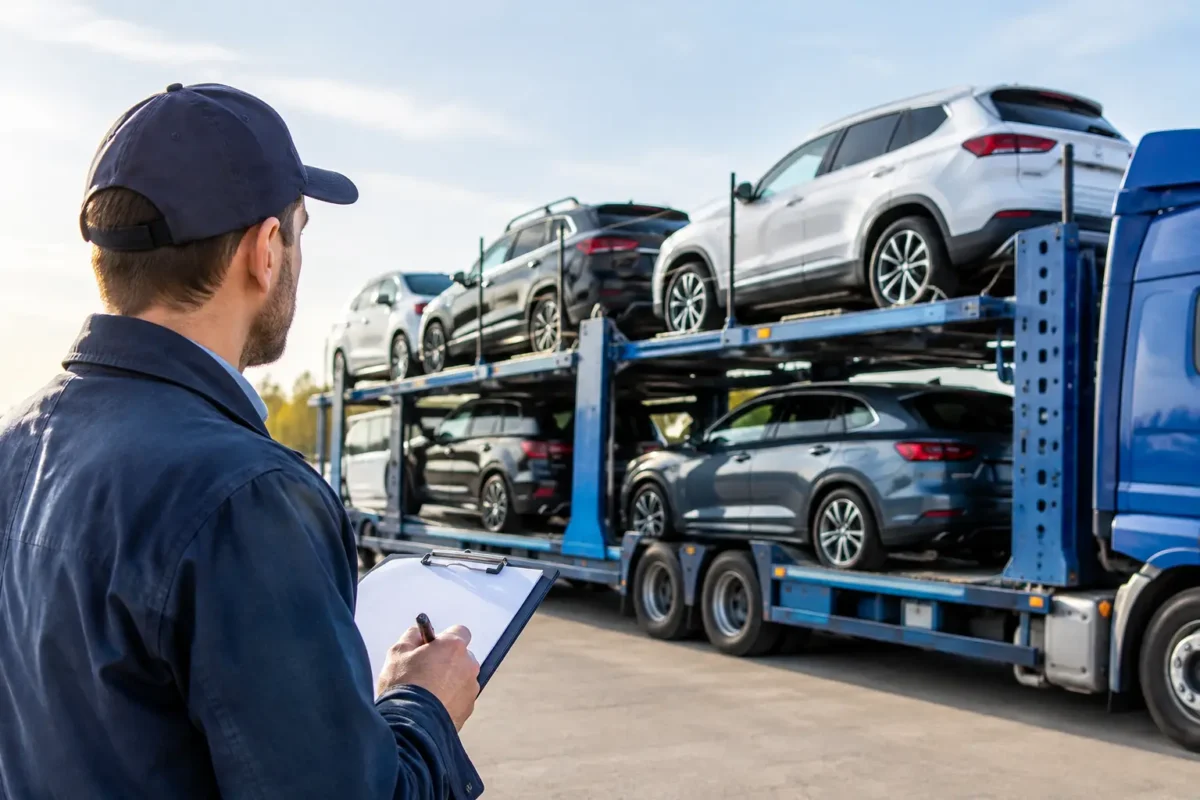
Open transport is the most common and cost-effective option for standard passenger vehicles. Your vehicle is loaded onto an open multi-car carrier, similar to the trucks that deliver new vehicles to dealerships. For most daily drivers, it provides dependable interstate transportation at a practical price.
Enclosed transport costs more because an enclosed trailer carries fewer vehicles and provides greater protection from road debris, weather, and public visibility. It is often the right choice for exotic cars, classic vehicles, high-value luxury models, or vehicles with specialty finishes and low ground clearance.
The decision is not only about vehicle value. It also depends on your comfort level, the season, the route, and how much protection you want during transit. A reliable coordinator should explain the difference plainly rather than pushing a service you do not need.
Timing Can Change Vehicle Shipping Rates
Vehicle transport is a capacity-based service. When a pickup must happen quickly, the carrier has less flexibility to build an efficient route. Flexible dates usually create more options and can help keep pricing competitive.
Standard scheduling versus expedited shipping
With standard transport, a pickup window allows dispatchers to match your vehicle with a properly equipped driver traveling your route. This is often the best value when your moving schedule has some room.
Expedited shipping is designed for customers who need pickup or delivery on a tighter timeline. It can be useful for a relocation start date, a dealership sale, a military move, or a vehicle needed at an event. Because the carrier may need to adjust an existing route or prioritize your shipment, expedited service normally carries a higher cost.
If timing is important but not fixed, share that early. A preferred pickup date, an acceptable date range, and a deadline are three different pieces of information. Clear details allow the transport team to build the right plan instead of guessing.
Seasonal demand and weather
Certain seasons bring predictable shifts in vehicle shipping demand. Snowbirds moving between northern states and Florida, military relocations, college schedules, and year-end moves can all increase activity on particular routes. When demand rises, available carrier space can tighten.
Winter weather may also affect northern routes, mountain passes, and delivery timelines. Severe conditions can require drivers to reroute, wait for safe travel conditions, or adjust pickup access. Summer heat and hurricane activity can similarly affect certain regions and port schedules.
Booking early does not guarantee that every circumstance is avoidable, but it gives your shipment more time to be placed with a carrier that fits the route and dates.
Pickup and Delivery Access Matter
Door-to-door auto transport means the carrier will get as close to your residential or business address as safely and legally possible. However, a large tractor-trailer cannot always enter a narrow neighborhood street, gated community, apartment complex, or downtown block.
Low branches, tight turns, parked cars, weight restrictions, and local ordinances can make direct curbside loading impractical. In those situations, the driver may arrange a nearby meeting point, such as a wide shopping center lot or accessible gas station. This is a normal safety measure, not a reduction in service.
Being flexible about a convenient nearby location can make pickup smoother and help avoid delays. It is especially helpful to mention access concerns when requesting a quote, rather than waiting until the driver is already en route.
The Destination Changes the Transportation Plan
Mainland state-to-state shipping is different from transport to Hawaii, Alaska, Puerto Rico, the Caribbean, or Central America. Overseas and offshore shipments involve port delivery, vessel schedules, documentation, port processing, and potentially different rules for personal items left inside the vehicle.
These moves may include separate land and ocean segments, which means the total cost is based on more than highway distance. The vehicle’s dimensions, departure port, destination port, sailing availability, and required paperwork can all influence pricing and timing.
For any port-to-port shipment, ask what is included in the quoted service and what steps you will handle before delivery. Clear expectations around port drop-off, inspections, keys, fuel level, and paperwork make international or offshore transport far less stressful.
Why the Lowest Quote Is Not Always the Best Value
A low number can be appealing, especially when you are coordinating a move, a purchase, or a family schedule. But a quote that is far below comparable offers may not reflect the amount carriers are currently accepting for that route. If the listed price is too low to attract a driver, pickup can be delayed or the price may be revisited later.
The goal is not to find the highest quote either. It is to find transparent pricing from a company that explains the service, confirms vehicle and route details, and stays available when plans change. Garcia’s Auto Transport and Logistics coordinates each shipment around the vehicle, lane, timing, and delivery requirements so customers have a clear plan from reservation through final inspection.
Before booking, confirm whether your vehicle runs, identify any modifications, share realistic pickup and delivery dates, and describe any access limitations. Those few details give your transport team the information needed to arrange a safer, smoother move at a price that makes sense for the trip.
