


A cross-country move, a new online vehicle purchase, or a seasonal relocation can make driving your own car hundreds of miles feel like the harder option. When comparing open versus enclosed carriers, the best choice usually comes down to the vehicle’s value, its condition, your budget, and how much protection you want during transit. Both methods can provide safe, door-to-door vehicle transportation when arranged with qualified, insured drivers. They simply solve different problems.
Open transport is the standard choice for most everyday vehicles because it is widely available and cost-effective. Enclosed transport adds a protected trailer and a higher level of handling for vehicles where weather exposure, road debris, or public visibility are greater concerns. Knowing what each service includes can help you book with confidence instead of paying for protection you may not need – or choosing a lower-cost option that does not fit your vehicle.
Open Versus Enclosed Carriers: The Main Difference
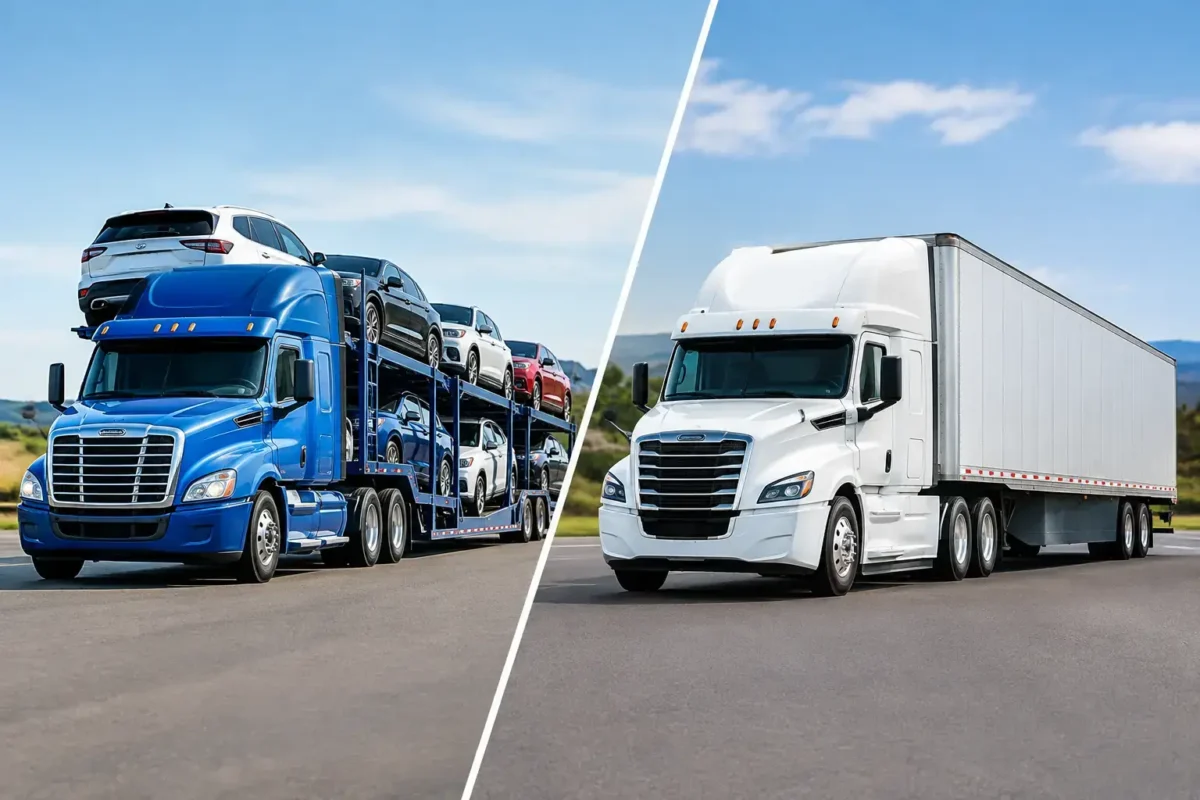
An open carrier is the familiar multi-level trailer often seen hauling several cars on the highway. Your vehicle is secured to the trailer alongside other vehicles, but it remains exposed to normal outdoor conditions during the trip. That can include rain, sun, wind, dust, and occasional road debris, much like the vehicle would experience while being driven on public roads.
An enclosed carrier transports vehicles inside a covered trailer. The vehicle is protected from weather, road dust, and most debris throughout pickup, transit, and delivery. Enclosed trailers may carry fewer vehicles than open trailers, and many use equipment designed for lower-clearance, high-value, or specialty vehicles.
Neither option automatically means better service or a more careful driver. Proper inspection, secure loading, realistic scheduling, and clear communication matter with every shipment. The difference is the transport environment and the level of protection built into it.
When Open Carrier Transport Makes Sense
For most standard passenger cars, SUVs, pickup trucks, and daily drivers, open transport is a practical choice. It is the most common form of auto transport in the United States, which generally means more carrier availability across major interstate routes and more flexible pickup options.
Open shipping is especially well suited to a late-model family vehicle, a commuter car being moved for a job relocation, or a vehicle purchased from an out-of-state dealer. If the car will be driven regularly after delivery and normal exposure to the elements is not a concern, an open carrier often provides the right balance of dependable transportation and manageable cost.
Budget is a significant factor. Because open trailers carry more vehicles and are more common, the price is usually lower than enclosed service. The savings can be meaningful on long-distance moves, especially for households shipping more than one vehicle or businesses moving dealership inventory.
Open transport can also be a strong fit when timing matters. Greater carrier availability may make it easier to coordinate a pickup window, particularly on popular routes between major metro areas. Availability still changes with season, location, vehicle size, and market demand, so no transport method should be treated as an instant pickup guarantee.
A customer shipping a standard sedan from Texas to Florida, for example, will often find open transport to be the sensible choice. The vehicle is secured and inspected, the route has regular carrier traffic, and the price reflects a shared-load shipment rather than a dedicated protected trailer.
When Enclosed Transport Is Worth the Added Cost
Enclosed transport is often chosen when the vehicle itself requires a higher level of protection. Classic cars, exotic vehicles, luxury models, restored automobiles, custom builds, collector cars, and motorcycles with specialized needs are common examples. A vehicle that has been freshly restored, detailed for a show, or fitted with delicate aftermarket components may also justify enclosed service.
The primary benefit is reduced exposure. An enclosed trailer helps keep rain, snow, salt spray, dirt, and road debris away from the vehicle during transit. This can be particularly valuable on winter routes, long cross-country moves, or shipments involving areas with difficult weather conditions.
Low ground clearance is another consideration. Certain sports cars, performance vehicles, and modified vehicles may need careful loading to avoid contact with ramps. Enclosed carriers frequently use lift gates, extended ramps, or other loading practices suited to low-profile vehicles. That does not mean every enclosed trailer offers identical equipment, so it is wise to share the vehicle’s clearance, modifications, and condition before booking.
Privacy matters to some owners as well. A rare collector vehicle or high-end luxury car is less visible inside an enclosed trailer. While discretion is not the main reason most people choose enclosed shipping, it can provide additional peace of mind.
The trade-off is price and, in some cases, availability. Enclosed transport generally costs more because trailers carry fewer vehicles, the equipment is specialized, and qualified capacity is more limited. Pickup windows may also be less flexible for routes that do not see frequent enclosed carrier traffic. For the right vehicle, that additional investment can be easy to justify. For an everyday vehicle, it may not be necessary.
Cost, Timing, and Route Can Change the Answer
It is tempting to decide based on vehicle value alone, but the route can change the recommendation. A standard vehicle traveling a short distance in mild weather may be an ideal open shipment. The same vehicle moving across the country during winter, through mountain weather, or along routes with heavy road treatment may lead an owner to consider enclosed service for extra protection.
Cost is influenced by more than the type of trailer. Distance, fuel prices, seasonality, vehicle dimensions, inoperable status, pickup and delivery locations, and how quickly the vehicle needs to move all affect a quote. Rural locations may require added coordination or a nearby meeting point if a large carrier cannot safely access a residential street.
Flexible scheduling can help keep either option more affordable. Vehicle transport operates around carrier routes and available space, so allowing a reasonable pickup window often creates better opportunities than requiring a specific hour or next-day service. A dependable coordinator should explain the likely timing clearly, keep you informed as a driver is assigned, and avoid making promises the route cannot support.
For shipments to Hawaii, Alaska, Puerto Rico, the Caribbean, or Central America, the decision may also involve port handling and ocean transit requirements. The inland carrier portion and the ocean portion are separate parts of the shipment, so it helps to discuss the complete route, required documentation, and vehicle condition before finalizing service.
Protection Starts Before the Trailer Arrives
Whether you select open or enclosed service, preparation plays a major role in a smooth shipment. Start by removing personal belongings and loose accessories from the vehicle. Most auto carriers are moving vehicles, not household goods, and personal items can create safety, weight, and insurance complications.
Take clear, dated photos of all sides of the vehicle before pickup. Photograph the wheels, bumpers, roof, windshield, and any existing scratches or dents. At pickup, the driver will typically complete a condition report, often called a bill of lading. Review it carefully and make sure existing damage is recorded before the vehicle is loaded.
Keep the fuel level low, usually around one-quarter tank, unless you receive different instructions. Disable or disclose alarms, fold in mirrors when appropriate, and let the coordinator know about any mechanical issues. An inoperable vehicle, a low battery, a brake concern, or a non-functioning window does not always prevent shipment, but it can require the right equipment and should never be a surprise at pickup.
For high-value or specialty vehicles, share details early. Mention low clearance, custom spoilers, wide tires, aftermarket suspension, non-running condition, or any special loading requirements. Clear information lets the logistics team match the shipment with a carrier that can handle it properly.
How to Make the Right Choice
Choose open transport when you are shipping a standard vehicle, want the most economical option, and are comfortable with the same environmental exposure a vehicle experiences on the road. It is a proven, widely used service for relocations, dealer purchases, military moves, snowbird travel, and everyday interstate vehicle shipping.
Choose enclosed transport when protecting the vehicle from weather and road exposure has real value to you. It is often the better fit for collector cars, luxury vehicles, exotics, classics, custom vehicles, and lower-clearance models. It can also make sense when a vehicle is being delivered for an event, sale, restoration project, or special occasion where condition and presentation matter.
Garcia’s Auto Transport and Logistics helps customers evaluate those details before a carrier is assigned, including the vehicle type, route, timing, pickup access, and preferred level of protection. The goal is not to steer every customer toward the higher-priced option. It is to arrange transportation that fits the actual shipment and provide clear communication from reservation through delivery.
The right carrier is the one that lets you hand over the keys knowing the vehicle, route, and expectations have all been considered. A quick, honest discussion about how you use the vehicle and what would worry you during transit can make the decision much easier.
