


A cross-country move can turn a perfectly reliable vehicle into one more problem to solve. You may need your car at your destination, but taking several days off work, paying for hotels, and putting 2,000 miles of wear on it may not make sense. That is why comparing car transport alternatives before you commit is worthwhile. The lowest upfront price is not always the lowest total cost, and the fastest-looking option is not always the most dependable.
The right choice depends on your route, vehicle, timeline, comfort with long-distance driving, and how much coordination you can take on yourself. For some customers, driving is the practical answer. For others, professional vehicle transport provides the control and convenience that a long move needs.
Car Transport Alternatives to Consider
Drive the vehicle yourself
Driving your car is the most familiar option, and it can work well for a short move or a flexible road trip. You control departure time, stops, route changes, and when the vehicle arrives. If you are relocating a few states away and already plan to travel by car, this may be the simplest approach.
The real cost, however, is more than fuel. Add meals, hotel stays, tolls, oil changes, tire wear, mileage depreciation, and time away from work or family. A trip from the East Coast to the West Coast can also mean several nights on the road and exposure to weather, traffic, road debris, or mechanical trouble.
Driving is usually a better fit when the car is dependable, the route is manageable, and you have time to spare. It is less appealing when you are transporting a luxury vehicle, an older vehicle, a specialty vehicle, or a car you want to keep off long highway miles.
Hire a driveaway service
A driveaway service sends a driver to operate your vehicle from pickup to delivery. This can save you the travel time while avoiding a carrier shipment. It may be considered for vehicles that need to arrive quickly and are suitable for a long road trip.
The trade-off is straightforward: your vehicle still accumulates mileage and remains exposed to road conditions. You also need to understand who will be driving, what insurance applies, how overnight stops are handled, and whether personal belongings can remain in the car. For many owners, especially those shipping a collector car or a newly purchased vehicle, those questions outweigh the convenience.
This option can make sense in limited circumstances, but it is not a substitute for a carrier when minimizing mileage and handling is a priority.
Use rail transportation
Rail can be a practical option on certain major routes, particularly when a vehicle is moving between large metro areas. It may reduce road mileage and can be appealing for customers who are not under a tight delivery deadline.
Rail service has limitations that deserve attention. Pickup and delivery are often terminal-based rather than door-to-door, so you may need to arrange transportation to and from rail locations. Routes are not available everywhere, schedules can be less flexible, and vehicle restrictions may apply. A rail quote may look attractive until you account for terminal travel, storage rules, and the effort of coordinating both ends of the shipment.
For a customer near a rail terminal with a flexible schedule, rail may be worth reviewing. For a household move, a military transfer, or a vehicle that needs pickup from a residence and delivery to a new address, door-to-door carrier transport is often more convenient.
Tow the vehicle behind a moving truck
Many people consider towing a car behind a rental moving truck. It puts household goods and the vehicle move into one trip, which can feel efficient at first. A tow dolly or full car trailer may work for certain vehicles and routes when the driver is comfortable handling a larger rig.
Before choosing this route, confirm the rental truck’s towing capacity, the vehicle’s weight, drivetrain requirements, and whether the equipment is appropriate for the car. Some vehicles should not be towed with their drive wheels on the ground. You also need to be comfortable with wider turns, longer stopping distances, loading ramps, and parking a truck-and-trailer combination.
Towing can save money for a local or regional move, but it can add significant stress on a long-distance route. Weather, mountain grades, heavy traffic, and unfamiliar equipment can turn a simple plan into a demanding drive.
Ask a friend or family member to help
Having someone you trust drive the vehicle may seem like the most personal option. It can reduce your own travel burden, especially when you are already flying to a new home or handling the first days of a relocation.
Even so, the same mileage, weather, accident, and mechanical-risk concerns still apply. There is also the question of insurance coverage and what happens if a delay or breakdown affects your relationship. This is generally best reserved for short trips, not a coast-to-coast relocation or a vehicle with substantial value.
Book professional auto transport
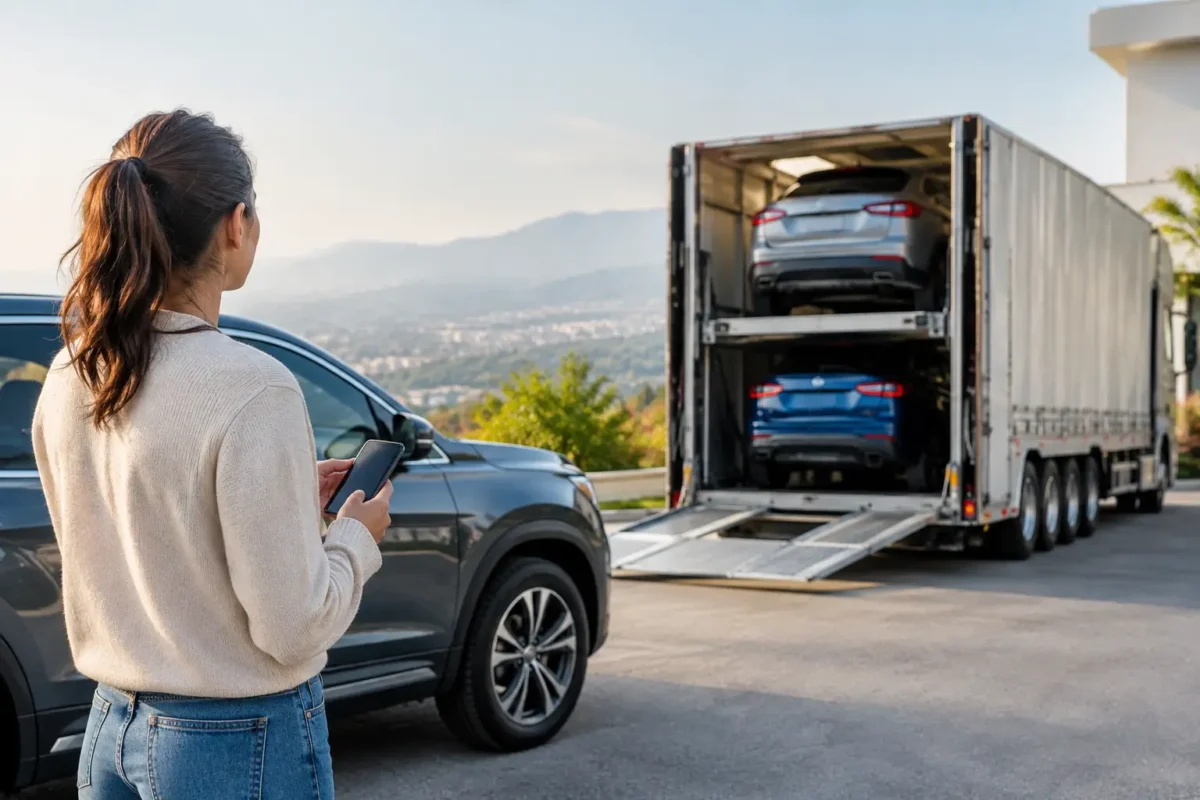
Professional auto transport moves your vehicle on a carrier rather than under its own power. It is designed for people who need to relocate, buy or sell a vehicle, report to a military duty station, send a car to a seasonal residence, or move inventory without adding miles to each vehicle.
Open-carrier transport is the standard choice for most passenger vehicles. It is widely available and typically offers the best balance of price and dependable capacity. Your vehicle travels on an open multi-car trailer, similar to the carriers used by dealerships.
Enclosed transport is generally the better choice for luxury, exotic, classic, or high-value vehicles. The added protection from weather and road debris comes at a higher price, and availability may be more limited. The decision is not about choosing the most expensive service. It is about matching the carrier type to the vehicle’s value, condition, clearance, and your comfort level.
With Garcia’s Auto Transport and Logistics, the process is coordinated from booking through final delivery. That includes helping select an appropriate carrier, confirming pickup details, documenting the vehicle’s condition at pickup and delivery, and keeping communication clear as scheduling develops.
How to Choose Between Car Transport Alternatives
Start by comparing the total cost, not just the first number you see. If you drive, estimate fuel, lodging, food, tolls, maintenance, missed work, and the value of your time. If you use rail or a terminal-based option, include the cost and time required to reach both terminals. If you tow a vehicle, factor in rental equipment, insurance, and your experience operating it safely.
Next, consider timing. Driving gives you the most direct control, but unexpected traffic, weather, or mechanical problems can still disrupt the schedule. Carrier transport works around pickup windows and transit routes, which means it is wise to book before a rigid deadline whenever possible. A flexible pickup and delivery window usually creates more carrier options and more competitive pricing.
Vehicle condition matters, too. An inoperable car may require special loading equipment. A low-clearance, modified, antique, or luxury vehicle may need a carrier with specific capabilities. Share those details before booking rather than assuming every transport method can accommodate them.
Finally, think about your own workload. Moving homes, starting a job, managing a deployment, or coordinating a dealership purchase already involves enough moving parts. Paying for transport can be worthwhile when it removes a multi-day drive and gives you one accountable point of contact for the vehicle’s movement.
Questions to Ask Before You Decide
Whether you choose to drive, tow, use rail, or arrange a carrier, get clear answers before finalizing the plan. Ask about insurance, expected timing, pickup and delivery locations, cancellation terms, and any vehicle restrictions. If you are shipping professionally, ask whether the driver is properly insured and bonded, how inspections are handled, and how you will receive updates during transit.
Be cautious with quotes that seem unusually low but do not explain the service. A clear quote should identify what is being arranged and what factors could affect timing or price, such as remote locations, oversized vehicles, inoperable condition, or enclosed service. Good coordination is not just about getting a vehicle on a truck. It is about avoiding surprises once your move is already underway.
The best option is the one that protects your time, your vehicle, and your peace of mind. If a long drive no longer fits the move you are managing, a properly coordinated carrier shipment can let you focus on arriving where you need to be.
