


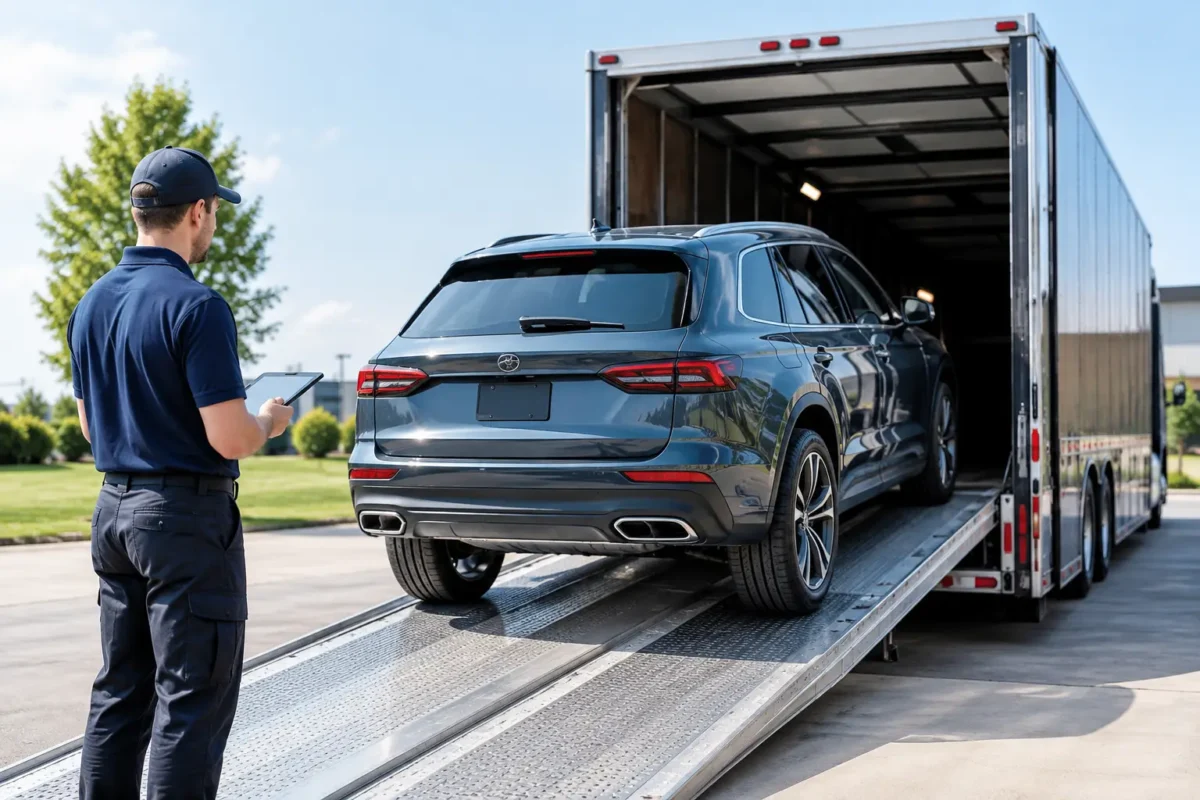
A new job may start in another state next week. A vehicle purchased online may be sitting hundreds of miles away. Or a family may be preparing for a seasonal move and deciding whether a long drive is worth the time, hotel costs, mileage, and wear. In each case, out-of-state vehicle delivery can turn a complicated road trip into a managed transportation plan.
The key is knowing what the service includes, what can affect timing, and how to prepare your vehicle before a driver arrives. Vehicle shipping is not simply handing over the keys and waiting for a text. It is a coordinated process involving carrier selection, pickup access, vehicle condition documentation, transit planning, and final delivery.
How Out-of-State Vehicle Delivery Works
Most interstate vehicle shipments are handled through a transportation logistics coordinator and a qualified carrier. The coordinator collects the details of your shipment, helps match the vehicle and route to an available driver, manages scheduling, and stays involved from booking through delivery. The carrier is the driver and equipment provider responsible for physically transporting the vehicle.
After you request a quote, you will typically provide the vehicle year, make, model, condition, pickup and delivery locations, and your preferred date range. Details matter. A running sedan is different from a non-running SUV, a lifted truck, a luxury vehicle with low ground clearance, or a golf cart that needs special loading arrangements.
Once a carrier is assigned, the driver or dispatch team coordinates a pickup window. Because auto carriers serve multiple customers along a route, pickup and delivery are generally scheduled within a window rather than at a guaranteed minute. Good communication makes this manageable. You should know who to contact, what timing is expected, and whether any route, weather, or equipment issue changes the plan.
Garcia’s Auto Transport and Logistics helps customers coordinate this process with door-to-door service, carrier matching, inspection support, and updates throughout the shipment.
Door-to-Door Service Has Practical Limits
Door-to-door transport means the carrier aims to pick up and deliver as close to your stated addresses as safely and legally possible. It does not always mean a large multi-car hauler can enter every residential street.
Many carriers are long and tall, and they need room to turn, park, and load without blocking traffic or damaging property. Narrow streets, low branches, steep hills, gated communities, low bridges, and strict HOA rules can require a nearby meeting point. This is common and should not be viewed as a service failure. A nearby shopping center, wide street, or truck-friendly lot may be the safest option for both the vehicle and the carrier.
If you know your pickup or delivery area has limited access, mention it before booking. A little planning prevents a last-minute scramble and keeps the appointment moving.
Choosing Open or Enclosed Transport
Open-carrier transport is the standard option for most passenger vehicles. Your car is loaded onto an open trailer with other vehicles, much like the transport trucks that deliver new cars to dealerships. It is widely available, cost-effective, and appropriate for everyday sedans, SUVs, trucks, and many dealership vehicles.
Enclosed transport places the vehicle inside a covered trailer. It is often the preferred choice for classic cars, exotic vehicles, high-value luxury models, low-clearance vehicles, or cars with a specialty finish. The added protection comes with a higher price and, in some markets, more limited carrier availability.
The right choice depends on the vehicle, your budget, the route, and your comfort level. Open transport is not careless transport. Qualified carriers use secure loading procedures and tie-down equipment. Enclosed service simply offers another layer of protection from road debris and weather exposure during transit.
What Affects Price and Transit Timing
Distance matters, but it is only one part of an out-of-state vehicle delivery quote. Popular routes between major metro areas often have more carrier traffic and may be easier to schedule than rural or remote locations. Vehicle size and weight also affect pricing because a large truck or SUV takes more trailer space and may limit what else a driver can carry.
Seasonality can change both availability and cost. Snowbird routes to and from Florida, winter weather in northern states, holiday periods, and high-demand relocation seasons can create tighter scheduling conditions. Fuel costs, tolls, route difficulty, and the requested pickup window also influence the final transport plan.
Be cautious with a quote that seems dramatically lower than every other option. The lowest number may not reflect current carrier market conditions, or it may rely on a delayed pickup while a dispatcher searches for a driver willing to accept the load. Price clarity is more useful than an unrealistic promise. Ask what is included, whether there are special fees for an inoperable vehicle or oversized vehicle, and how payment is handled.
Prepare Your Vehicle Before Pickup
Preparation protects your vehicle and makes the pickup inspection faster. Clean the exterior enough for existing marks, chips, and dents to be visible. Remove personal belongings, loose accessories, and valuables from the interior. Federal transport rules and carrier policies can restrict personal items, and unsecured property can shift or create complications during loading.
Before the driver arrives, handle these practical details:
- Leave about one-quarter tank of fuel, which is enough for loading without adding unnecessary weight.
- Disable or provide clear instructions for alarms, immobilizers, and aftermarket tracking systems.
- Check tire pressure, battery charge, and fluid leaks, and disclose mechanical issues before dispatch.
- Remove or secure toll tags, parking passes, antennas, spoilers, and other removable exterior accessories.
- Keep a working key available and make sure the driver can access the vehicle.
If the vehicle does not run, has brake issues, or cannot roll freely, say so at the start. Non-running vehicles can still be shipped, but the carrier may need a winch or different loading arrangement. Accurate information prevents avoidable delays and helps ensure the right equipment is assigned.
The Inspection Is Your Best Record
At pickup, the driver performs a vehicle condition inspection and records visible exterior condition on a bill of lading or condition report. Walk around the vehicle with the driver if you can. Take time-stamped photos from several angles, including close-ups of existing damage, wheels, glass, and low body panels.
Keep a copy of the pickup documentation. It creates a clear baseline for delivery and helps both parties address any question based on records rather than memory.
At delivery, inspect the vehicle again before signing the final paperwork. Look over the exterior in good lighting when possible, start the vehicle, and note any concern on the delivery report before the driver leaves. Normal road dust can occur on open transport, but new visible damage should be documented immediately. If a concern arises, contact the transport coordinator promptly and follow the carrier’s claims process and insurance instructions.
Communication Makes the Difference
The most reassuring shipments are not necessarily the ones with zero changes. Weather, traffic, loading delays, and highway closures can affect any long-distance route. The difference is whether you receive a straightforward update and a workable next step.
Provide reliable phone numbers for both pickup and delivery contacts. If another person will release or receive the car, make sure they understand the appointment window, inspection process, and payment arrangements. A driver may have limited time at each stop, so having an authorized adult ready to meet the carrier keeps the route on schedule.
For dealerships, fleets, and customers moving multiple units, communication becomes even more important. A complete vehicle list, accurate condition status, keys organized by unit, and a designated point of contact can reduce loading delays. Commercial moves may also require coordination around lot hours, gate access, and receiving procedures.
When Shipping Is Better Than Driving
Driving your own car across state lines may make sense for a short move, a flexible schedule, and a vehicle you are comfortable putting on the road. But the calculation changes on a cross-country route. Fuel, hotels, meals, time away from work, unexpected repairs, and added mileage can make a self-drive more expensive or more disruptive than expected.
Vehicle delivery is especially useful for military families working within reporting dates, online buyers who cannot travel to collect a purchase, snowbirds relocating seasonally, and owners protecting a specialty vehicle from a long highway trip. It also gives families the option to fly while their vehicle is professionally transported to the destination.
A successful shipment starts with accurate details and realistic expectations. Share the condition of the vehicle, be flexible when a safe nearby meeting point is needed, and keep your inspection records. With a qualified carrier, clear communication, and a plan built around your route, sending a vehicle across state lines can feel far less like a logistical burden and much more like one item already handled.
