


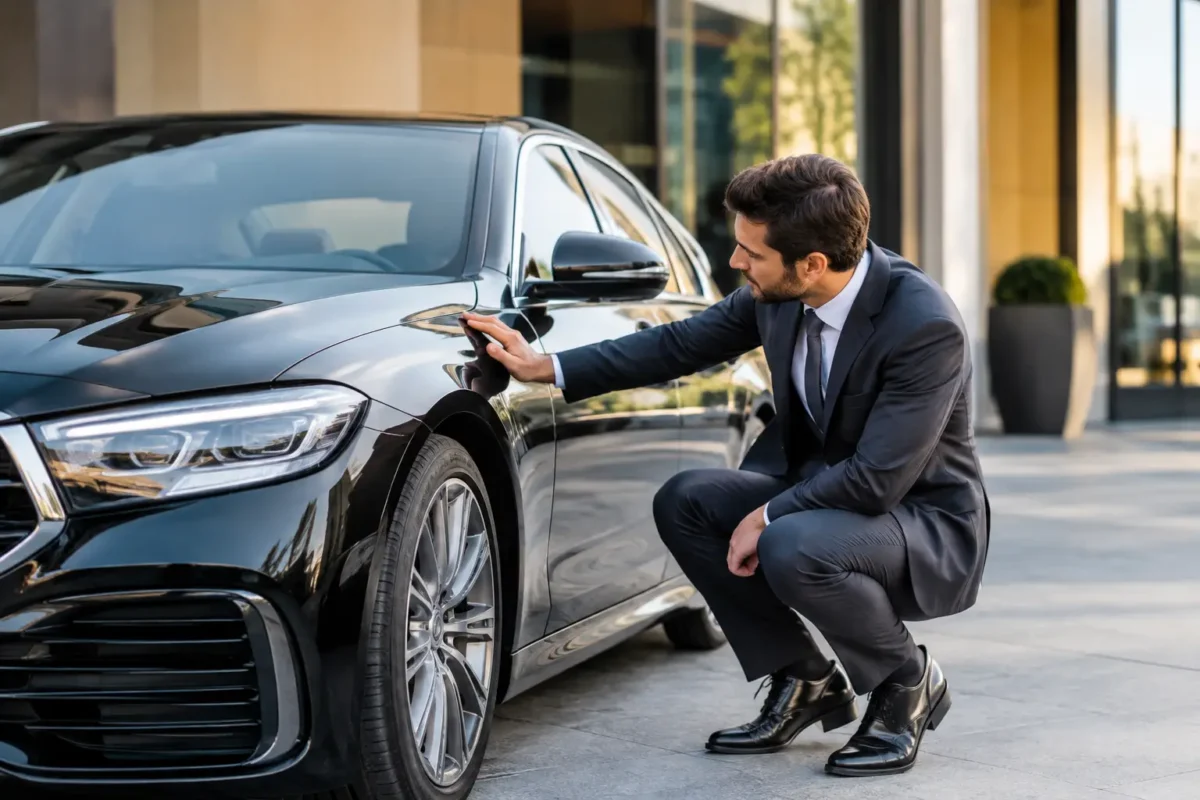
A luxury vehicle can lose value from more than a major accident. A scraped splitter, wheel rash, water intrusion, or an undocumented condition issue can turn an otherwise routine shipment into a frustrating dispute. The best luxury transport protections combine the right equipment, verified carrier coverage, careful documentation, and clear communication before the truck arrives.
For an exotic car, collector vehicle, high-end SUV, or premium daily driver, transport should be planned around the vehicle’s actual needs, not just the lowest available quote. The goal is simple: protect the vehicle’s condition and give you a clear process if a question arises at pickup or delivery.
Best Luxury Transport Protections Start Before Pickup
Protection begins with carrier selection. A qualified driver and properly matched trailer matter as much as the route itself. Ask whether the shipment will move on an enclosed or open carrier, whether the driver is experienced with low-clearance vehicles, and how the vehicle will be secured.
Enclosed transport is usually the preferred choice for luxury, exotic, and classic vehicles. It shields the vehicle from road debris, weather, and unwanted attention during transit. It also provides a more controlled environment for vehicles with custom paint, delicate finishes, specialty tires, or low ground clearance. The trade-off is cost: enclosed service generally carries a higher price than open transport, and capacity can be tighter on certain routes.
Open transport can still be a practical option for many premium vehicles, especially newer models traveling common interstate routes. The key is understanding the exposure involved. An open carrier is not automatically unsafe, but it does leave the vehicle exposed to normal highway conditions. If preserving a concours-level finish or moving a rare vehicle is your priority, enclosed shipping is usually worth considering.
Match the Trailer to the Vehicle
Not all luxury cars load the same way. A lowered sports car may require extended ramps, a low-angle loading setup, or special care to avoid contact with the front splitter and underbody. A large luxury SUV needs appropriate space and securement points. A classic car with older mechanical components may need a driver who understands its starting, braking, or battery requirements.
Share the vehicle’s year, make, model, modifications, ride height, and operating condition when requesting a quote. Include details such as non-running status, oversized wheels, custom spoilers, carbon-fiber components, or an alarm system. Accurate information allows the logistics coordinator to match your shipment with an appropriate carrier rather than creating surprises at pickup.
Verify Insurance Before You Book
Carrier cargo insurance is a central part of luxury vehicle protection, but customers should not treat the phrase “insured” as the end of the conversation. Coverage amounts, exclusions, deductible arrangements, and claims procedures can vary by carrier. Ask for proof of active insurance and confirm that the policy level is suitable for your vehicle’s declared value.
It is also wise to speak with your personal auto insurer before shipping. Some policies extend certain protections while a vehicle is in transit, while others have limitations for commercial transportation. Your insurer can explain whether your comprehensive coverage applies and whether a separate endorsement is available or useful.
A few questions can prevent confusion later:
- What cargo coverage does the assigned carrier carry?
- Does the coverage amount reasonably support the vehicle’s value?
- Are there exclusions for personal items, aftermarket parts, or pre-existing damage?
- What is the claims process if damage is discovered?
- Who should be contacted first if there is a concern at delivery?
Personal belongings deserve special attention. Auto carriers are generally licensed to transport the vehicle, not household goods. Items left inside may not be covered by carrier cargo insurance, can add weight, and may create issues at inspection or on certain routes. Remove valuables, documents, electronics, spare keys, and loose accessories whenever possible.
The Pickup Inspection Is Your Best Evidence
A thorough inspection report, commonly called a bill of lading or vehicle condition report, creates the baseline for the shipment. Before loading, the driver should note existing dents, scratches, chips, cracked glass, wheel damage, and other visible conditions. Review the report instead of signing quickly, especially if the pickup happens early in the morning, after dark, or in bad weather.
Take your own time-stamped photos and video immediately before pickup. Photograph every side of the vehicle, the roof, hood, trunk, wheels, windshield, mirrors, front lip, rocker panels, and interior if relevant. Close-up photos of any existing blemishes are just as useful as wide shots. If the vehicle has a particularly valuable feature, such as custom paint or a specialty wheel finish, document it clearly.
This is not about expecting a problem. It is about making the condition record fair to everyone. Clear documentation helps the driver, carrier, coordinator, and customer work from the same facts if a question comes up later.
Be Present, or Send a Trusted Representative
If you cannot attend pickup or delivery, appoint someone who can inspect the vehicle carefully and sign documents on your behalf. That person should know the vehicle’s current condition and have access to your photo record. For a high-value shipment, it is better to avoid having someone unfamiliar with the car accept delivery without guidance.
Make sure the representative has the driver’s contact information and understands any special operating instructions. This is especially helpful for vehicles with push-button transmissions, battery disconnects, aftermarket alarms, or unique starting procedures.
Securement, Communication, and Route Planning Matter
A luxury vehicle should be secured using proper wheel straps or tire securement methods designed for transport. The objective is to hold the vehicle in place without putting unnecessary stress on suspension components, body panels, or delicate parts. If you have concerns about a specific modification, raise them before pickup so the carrier can determine the right loading and securement approach.
Good communication is another practical protection. A realistic pickup window, driver contact when available, and delivery coordination reduce last-minute pressure. Rushed exchanges are when inspection details, access restrictions, and special instructions can be missed.
Door-to-door transport means the carrier comes as close as safely and legally possible to your locations. However, a large truck may not be able to enter a narrow residential street, gated community, or area with low branches and tight turns. In those cases, a nearby wide parking lot or commercial location may be safer for loading and unloading. Meeting at an accessible location can protect the vehicle from avoidable maneuvering risks.
For long-distance moves, weather and route conditions can affect timing. A professional plan accounts for this without making promises that ignore real road conditions. The best coordinators keep communication direct, explain changes when they occur, and work with the carrier to keep the shipment moving responsibly.
Inspect Again at Delivery Before Signing Off
At delivery, inspect the vehicle before you sign the final paperwork. Compare its condition with the pickup report and your photos. Check the same areas you documented before transport, including low body panels and wheels that can be easy to overlook.
If you notice possible new damage, point it out to the driver immediately and have it written on the delivery paperwork. Take clear photos from multiple angles before the driver leaves. Do not rely on a verbal conversation alone. Written notes and photos create the record needed for a carrier or insurance review.
Most deliveries go as planned, and a careful final inspection only takes a few minutes. Still, it is a step worth protecting. Once paperwork is signed with no exceptions, proving when an issue occurred can become more difficult.
Choose Coordination That Keeps You Informed
Luxury transport is not only about the truck. It is also about how the shipment is managed from reservation through delivery. A transportation logistics coordinator should help confirm vehicle details, identify the appropriate service level, coordinate pickup access, and remain available when schedules shift or questions arise.
Garcia’s Auto Transport and Logistics helps customers arrange door-to-door vehicle shipping with tailored carrier selection and hands-on communication throughout the process. For luxury vehicles, that coordination can make the difference between a generic booking and a shipment planned around your car, route, and timing requirements.
The right protection plan does not need to feel complicated. Choose the trailer type that fits the vehicle, verify coverage, document condition carefully, and stay engaged through delivery. Those few deliberate steps let you hand over the keys with far more confidence.
