


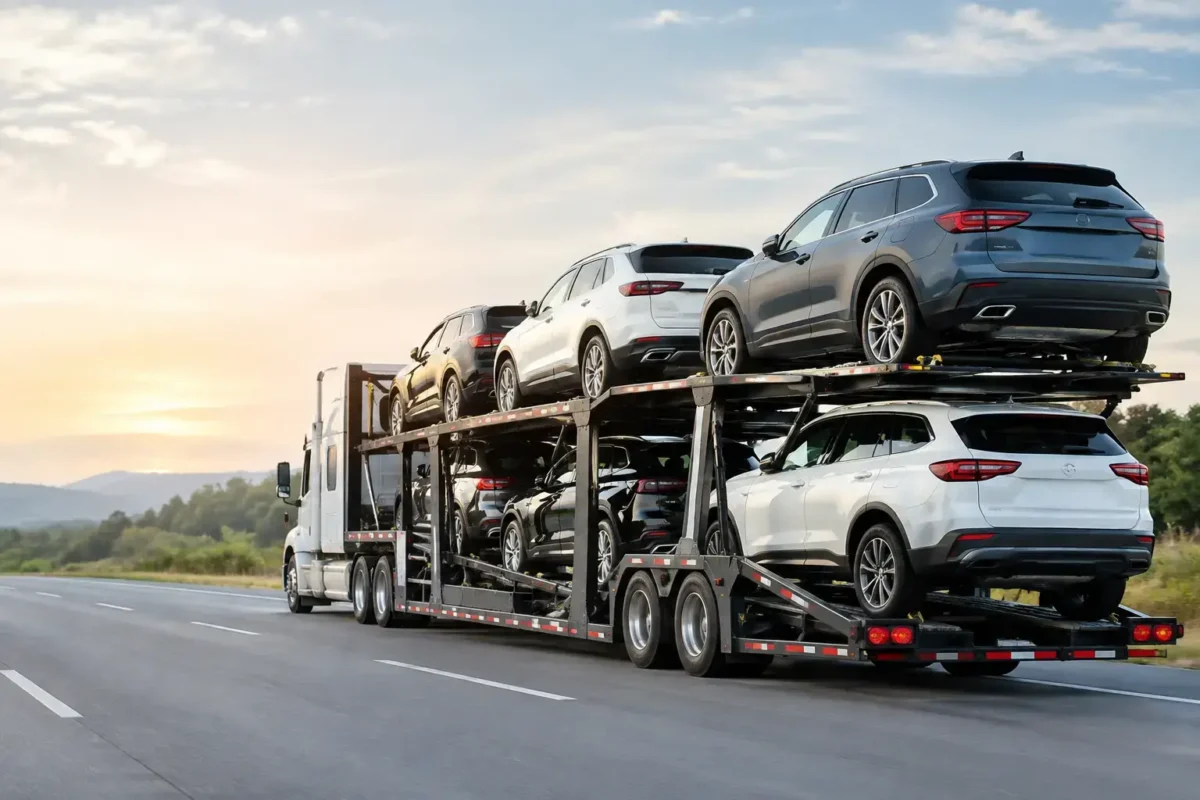
A cross-country move can turn one practical question into a major logistical headache: what happens to your car when you cannot, or do not want to, drive it there? Auto hauling gives you a door-to-door alternative to adding hundreds or thousands of miles to your vehicle. Whether you are relocating for work, buying a car online, heading south for the winter, or moving dealership inventory, knowing how the process works helps you plan with confidence.
The best vehicle shipment is not simply the lowest quote or the first available truck. It is the shipment that matches the right carrier and equipment to your vehicle, route, timing, and delivery situation – while keeping communication clear from the first call through final inspection.
What Auto Hauling Actually Includes
Auto hauling is the coordinated transportation of a vehicle by professional carrier rather than driving it yourself. Most personal vehicles move on an open multi-car carrier, the familiar two-level trailer seen on highways. This is generally the most cost-effective choice for standard cars, trucks, SUVs, and many everyday vehicles.
For high-value, classic, exotic, or low-clearance vehicles, enclosed transport may be a better fit. An enclosed trailer provides added protection from road debris and weather, but it usually costs more and may have fewer carrier options on a particular route. The right option depends on the vehicle’s value, condition, clearance, and the owner’s comfort level with exposure during transit.
The process also covers more than a truck ride. A transportation logistics coordinator helps arrange a qualified carrier, confirm pickup and delivery details, communicate schedule updates, coordinate inspections, and help resolve practical issues before they become delays. At Garcia’s Auto Transport and Logistics, that hands-on coordination is especially valuable for customers shipping across state lines, to ports, or to destinations such as Puerto Rico, Hawaii, Alaska, the Caribbean, and Central America.
How the Auto Hauling Process Moves Forward
Every shipment begins with accurate information. The make, model, year, vehicle condition, pickup and delivery ZIP codes, desired timing, and whether the vehicle runs all affect carrier availability and price. A non-running vehicle, for example, may require a winch-capable carrier and extra loading time. A lifted truck, oversized SUV, or vehicle with very low ground clearance may need equipment selected specifically for its dimensions.
Once the shipment details are confirmed, the vehicle is matched with a carrier serving the route. Long, popular lanes between large metro areas often have more consistent availability. Rural pickups, remote deliveries, and less-traveled routes can require more scheduling flexibility because carriers must build efficient loads around their service areas.
Pickup dates are commonly presented as a window rather than a guaranteed minute on the clock. Traffic, weather, federally required driver rest periods, mechanical issues, and other pickups can all affect a driver’s arrival time. Professional communication matters here. Customers should receive advance notice when a driver is assigned and should have a clear point of contact if the schedule changes.
Pickup and the vehicle inspection
At pickup, the driver performs a condition inspection and records existing scratches, dents, chips, or other visible damage on the bill of lading. This document is important. It creates a shared record of the vehicle’s condition before loading.
Be present for the inspection whenever possible. Walk around the vehicle with the driver, take date-stamped photos from several angles, and make sure existing damage is noted. If someone else will release the vehicle, make sure that person understands the process and has permission to sign the paperwork.
Drivers generally need room to safely maneuver a large transport truck. A narrow residential street, low tree branches, sharp turns, or strict neighborhood parking rules can make curbside loading impractical. In those cases, pickup may take place at a nearby shopping center, wide street, truck stop, or other mutually agreed location. That is still door-to-door service in practical terms: the carrier comes as close to each address as safety and local access allow.
Transit and shipment updates
During transit, the driver is balancing a route that may include several vehicles and scheduled stops. Exact delivery times can shift, but a properly coordinated shipment should never leave you wondering what is happening. Maintain a reachable phone number, especially in the final days of transport, and be prepared to coordinate a delivery location if the carrier cannot access your street.
Open transport exposes a vehicle to normal weather and road conditions, much as it would experience while being driven. Enclosed shipping reduces that exposure, but no transport method removes every possibility of delay or risk. The key is working with insured, bonded drivers and following the documented inspection process at both ends of the shipment.
Delivery and final paperwork
Before delivery, the driver or dispatcher typically contacts you to arrange a time and confirm access. When the vehicle arrives, inspect it before signing the final bill of lading. Compare the vehicle with the pickup report and your photos. If you see a concern, document it clearly on the paperwork before the driver leaves and contact your transport coordinator right away.
Most deliveries are straightforward, especially when the pickup details, vehicle condition, and contact information were accurate from the start. Completing the final inspection carefully simply protects everyone involved.
Preparing Your Vehicle for Transport
A little preparation makes pickup faster and reduces avoidable complications. Clean enough of the vehicle’s exterior to make its condition easy to inspect. Remove personal items, toll tags, parking passes, loose accessories, and valuables. Carriers are transporting the vehicle itself, and personal belongings can shift, create liability concerns, or add weight that affects the load.
Leave about a quarter tank of fuel in the vehicle. This is enough for loading and unloading without adding unnecessary weight. Check that the battery is charged, the tires are properly inflated, and the parking brake operates normally. If there are mechanical issues, warning lights, leaks, or special starting instructions, disclose them in advance and remind the driver at pickup.
For convertibles, make sure the top is secured. For vehicles with aftermarket spoilers, very low bumpers, roof racks, or modified suspension, provide those details before booking. Honest information helps the coordinator choose a carrier that can load the vehicle safely rather than discovering a problem at the curb.
What Affects Auto Hauling Cost and Timing
Vehicle shipping is priced around real operating conditions, not just miles. Distance is a major factor, but so are the route’s carrier demand, the vehicle’s size and condition, seasonal volume, fuel costs, and the type of trailer required. A compact sedan on a busy interstate route is usually easier to place than an oversized, inoperable vehicle moving to a rural destination.
Timing matters as well. Flexible pickup windows often provide more carrier options and better pricing than a last-minute request with a fixed deadline. Snowbird season can increase demand on north-to-south and south-to-north routes. Weather can slow winter shipments, while port schedules and ocean freight requirements add another layer for Hawaii, Puerto Rico, and international moves.
Be cautious with a quote that seems far below every other estimate. A very low number may not attract a carrier quickly, which can lead to delays, repricing, or frustration when your requested pickup date arrives. A fair, transparent rate is usually more useful than a number that looks appealing but does not reflect the actual market.
Choosing a Transport Partner You Can Reach
Auto hauling can feel unfamiliar because your vehicle is valuable and the carrier may travel hundreds of miles from your home. That makes responsive communication more than a convenience. Ask how carrier selection works, what type of transport is recommended, how pickup windows are handled, and who you can contact for updates.
You should also understand the cancellation policy, insurance process, payment expectations, and any requirements for inoperable or oversized vehicles before reserving a spot. A reputable coordinator will answer these questions directly, explain realistic timing, and help you prepare for access issues instead of making promises that do not fit the route.
Your car does not need to become the hardest part of a move. With accurate details, a careful inspection, and a transport team that stays in touch, you can hand over the keys knowing there is a clear plan for every mile ahead.
