


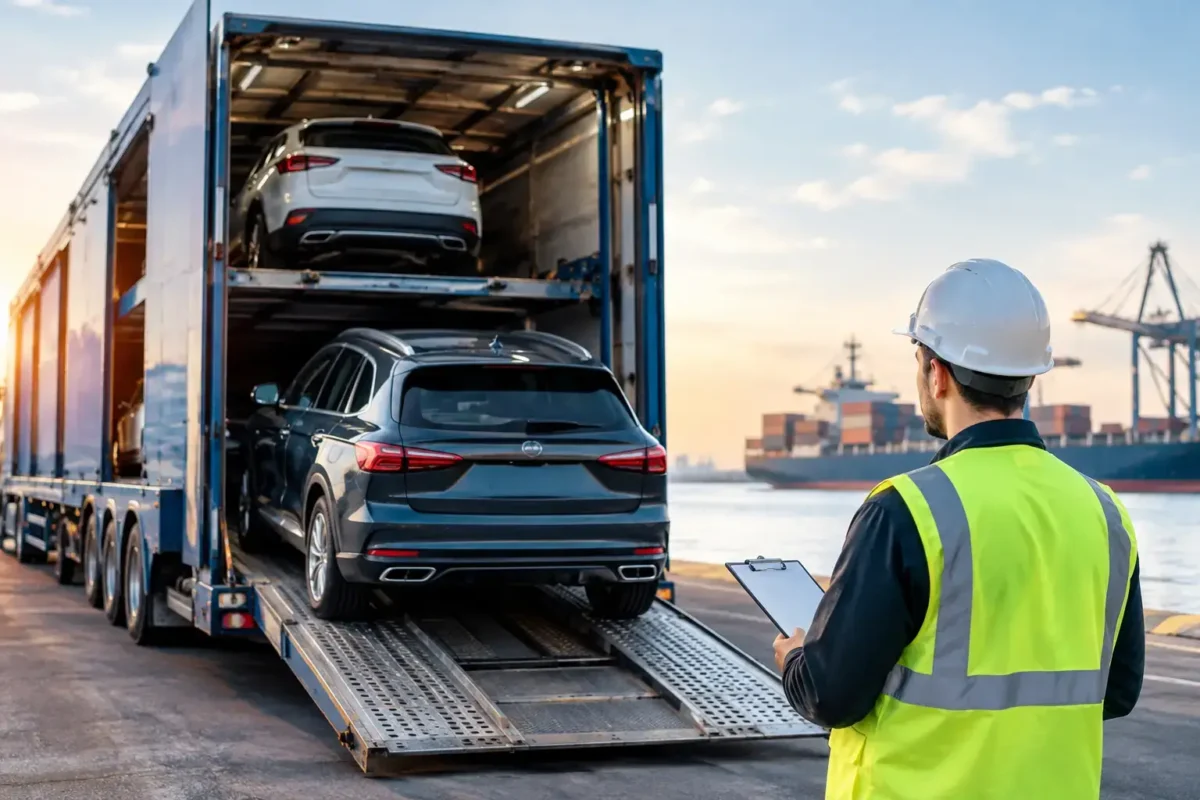
A cross-country vehicle shipment can cost less than a shorter trip to a hard-to-reach location. That surprises many first-time customers, but vehicle shipping cost factors are based on the real work required to move your vehicle safely, not mileage alone. The route, vehicle, timing, carrier equipment, and pickup conditions all affect what a qualified driver can accept for the job.
A clear quote should reflect those details from the start. When you understand what shapes the price, you can compare options more confidently, avoid last-minute surprises, and choose a shipping plan that fits your schedule and vehicle.
The Vehicle Shipping Cost Factors Behind a Fair Quote
Route and distance set the starting point
Distance is the foundation of any auto transport quote. A longer route generally costs more overall because of fuel, driver time, tolls, equipment use, and operating expenses. However, the cost per mile often decreases on longer routes. A 2,000-mile interstate shipment does not usually cost twice as much as a 1,000-mile shipment.
Route popularity matters just as much. Major lanes between large metro areas tend to have more carrier traffic, which gives dispatchers more scheduling options. For example, shipping a sedan from Florida to Texas or California to Arizona may be more straightforward than moving it between two rural areas with limited carrier access.
Less common routes can require a driver to travel out of the way or wait for enough nearby freight to make the run practical. That does not mean rural customers cannot receive door-to-door service. It means pickup and delivery windows may be broader, and the price may account for the added time and miles needed to reach the location.
Vehicle size, weight, and condition affect carrier capacity
Car carriers have limited space and weight capacity. A compact sedan takes up less room and adds less weight than a full-size pickup, oversized SUV, cargo van, or heavy equipment shipment. Larger vehicles may require more space on the trailer, different loading positions, or specialized equipment, all of which can raise the transport rate.
Accurate vehicle details are essential. A lifted truck, extended-length van, wide-body luxury vehicle, or vehicle with unusually low ground clearance should be identified before booking. Those specifications help match the shipment to a carrier that can load and secure it correctly.
Whether the vehicle runs also matters. Inoperable vehicles can still be transported, but the driver may need a winch or other loading support. A vehicle that does not start, steer, roll, or brake should never be described as operable simply to obtain a lower quote. The right information protects the schedule and helps prevent a carrier from arriving without the equipment needed to load it.
Open or enclosed transport changes the price
Open-carrier transport is the most common and usually the most economical option for standard passenger vehicles. These are the familiar multi-car trailers seen on highways across the country. Open transport provides dependable door-to-door service for daily drivers, dealership inventory, relocations, and many online vehicle purchases.
Enclosed transport costs more because it offers greater protection from weather, road debris, and public exposure. It is often the preferred choice for exotic, classic, luxury, antique, or newly restored vehicles. Enclosed trailers also carry fewer vehicles than many open carriers, which affects the per-vehicle cost.
The best choice depends on the vehicle and the owner’s priorities. A customer moving a family SUV may reasonably choose open shipping to keep costs practical. An owner shipping a collector car may decide the added protection of enclosed transport is worth the higher rate. Neither option is automatically better. It should fit the shipment.
Timing and seasonality influence carrier availability
Vehicle transport pricing moves with supply and demand. When more customers need space on a route than there are available carriers, rates tend to rise. Summer relocations, holiday periods, severe weather, and seasonal migration can all make scheduling more competitive.
Snowbird routes are a common example. Demand increases when customers ship vehicles south before winter and north in the spring. Routes involving Florida, Arizona, and other seasonal destinations may be especially busy during those periods.
Lead time gives you more options. Booking early allows a logistics coordinator to work with the available carrier network and target your preferred timeframe without forcing a rushed arrangement. Expedited shipping is available in many situations, but asking for pickup within a day or two can cost more because the assigned driver must adjust an existing route or accept the vehicle at a premium rate.
Flexibility can help as well. If you can offer a several-day pickup window instead of requiring a specific hour, it may be easier to find a carrier whose route already aligns with your location. That can improve scheduling without compromising communication or care.
Pickup and delivery access can change the plan
Door-to-door transport means the carrier will get as close to your pickup and delivery addresses as safely and legally possible. Still, a full-size car hauler may be 70 to 80 feet long. Tight residential streets, low-hanging trees, sharp turns, low bridges, city restrictions, and limited parking can prevent the truck from entering certain neighborhoods.
In those cases, the driver may arrange a nearby meeting point, such as a wide shopping center parking lot, truck stop, or another accessible location. This is not a reduction in service. It is a practical safety measure that protects the vehicle, the carrier, and the surrounding property.
Remote areas, islands, ports, and locations with difficult access can require additional coordination. Shipping to Hawaii, Alaska, Puerto Rico, the Caribbean, or Central America involves ocean transport, port handling, documentation, and destination procedures in addition to inland trucking. International and offshore quotes should account for the full route rather than focusing only on the initial pickup price.
Fuel, tolls, and operating conditions are built into the market
Drivers and carriers operate in a changing environment. Fuel costs, toll roads, insurance requirements, labor, maintenance, and regulatory compliance all affect what it costs to keep a truck moving. Weather can also influence rates and transit times, particularly during winter storms, hurricane activity, or periods of extreme heat.
A quote is not simply a number generated from a map. It represents the current market conditions for safely placing a specific vehicle on a specific route. Very low quotes can be appealing, but a rate that does not attract a qualified driver may leave a shipment waiting longer than expected.
How to Get a More Accurate Vehicle Shipping Quote
The fastest way to receive a useful quote is to provide complete details upfront: the year, make, model, condition, pickup and delivery ZIP codes, desired timing, and whether you need open or enclosed service. Mention modifications, oversized tires, luggage racks, low clearance, personal items, or any issue that could affect loading.
It also helps to distinguish between a desired pickup date and a hard deadline. If you are reporting to a new job, beginning military relocation, closing on a home, or catching a flight, share that timing early. A coordinator can then discuss realistic pickup and delivery windows and determine whether standard or expedited service makes more sense.
Ask what the quoted price includes and how the shipment will be handled. A professional transport arrangement should cover carrier matching, scheduling, pickup and delivery coordination, vehicle inspections, and communication throughout transit. Before pickup, you and the driver should review the vehicle’s condition and note existing damage on the bill of lading. Repeat the inspection at delivery before signing the final paperwork.
Garcia’s Auto Transport and Logistics coordinates these details by matching each shipment with a qualified carrier based on the vehicle, route, and service requirements. The goal is not just to move a car from one ZIP code to another, but to keep the process clear from reservation through final delivery.
Price Matters, but Fit Matters More
The lowest quote is not always the lowest-risk option, and the highest quote is not always necessary. A fair transport rate is one that reflects your actual vehicle, route, service level, and timeframe while giving a qualified driver a realistic reason to accept the load.
Before you book, take a few minutes to confirm the details that affect the shipment. Honest vehicle information, realistic timing, and an accessible pickup plan make it easier to secure dependable transportation. That preparation gives your vehicle the best chance of leaving on schedule and arriving exactly where you need it.
