


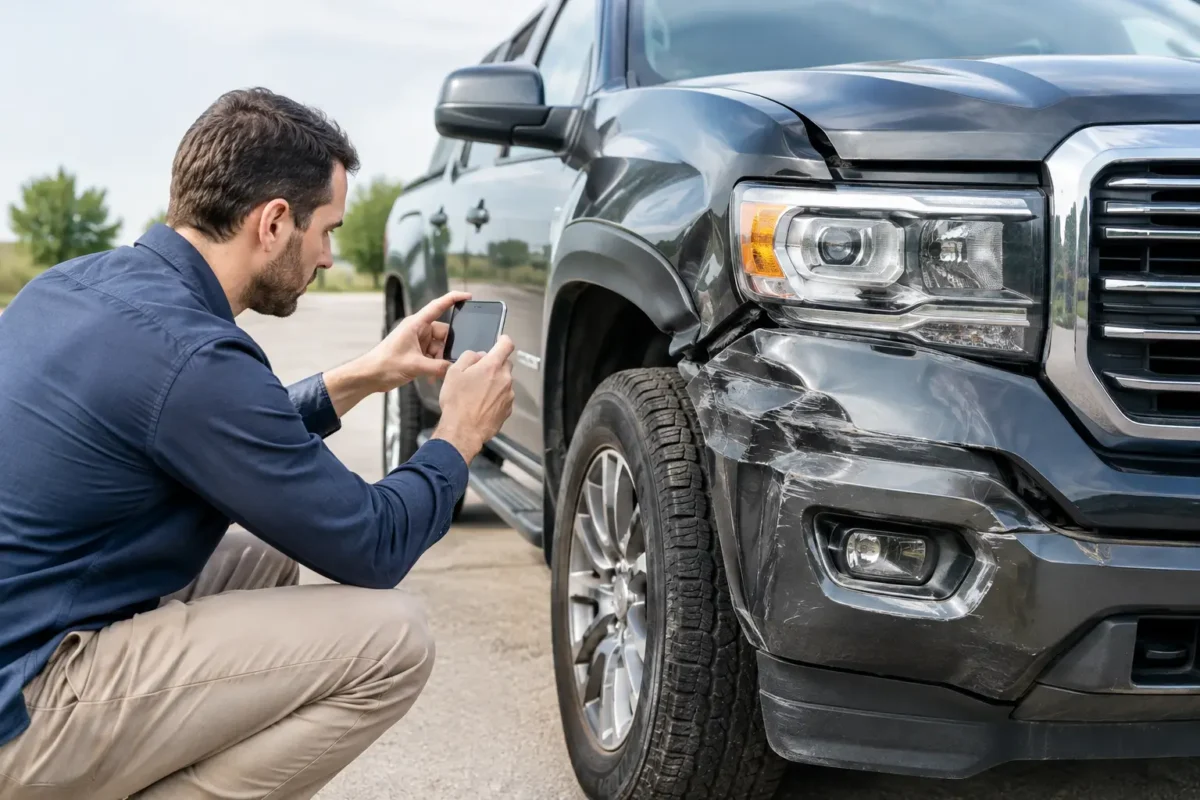
A vehicle can look perfect from ten feet away and still have a small scuff on the bumper, a windshield chip, or curb rash on one wheel. That is why knowing how to document pickup vehicle damage is one of the most valuable steps you can take before your car transport driver begins loading. A clear pickup inspection protects you, gives the carrier an accurate record, and prevents a minor pre-existing mark from becoming a major disagreement at delivery.
The goal is not to assume something will go wrong. It is to create a shared, signed record of your vehicle’s condition before it enters transit. When everyone starts with the same information, the delivery inspection is faster, fairer, and far less stressful.
Why the Pickup Inspection Matters
At pickup, the driver typically completes a vehicle condition report, often called a bill of lading or inspection report. This document records visible exterior condition, including dents, scratches, paint chips, cracked glass, and other noticeable damage. It also identifies the vehicle by its VIN, make, model, and sometimes its mileage or inoperable status.
That report becomes the baseline for the final inspection. If a new issue is found at delivery, the pickup and delivery records help determine whether it occurred during transport. If a mark was already present and noted at pickup, there is no confusion about when it existed.
This matters even more for luxury vehicles, collector cars, vehicles purchased online, and cars being shipped for a family member who will not be present at delivery. In those situations, detailed photos and precise notes are not extra paperwork. They are practical protection.
Document Pickup Vehicle Damage Before the Driver Arrives
The easiest time to prepare is the day before scheduled pickup. Wash the exterior if possible, or at least remove heavy dirt, snow, and road grime from areas where damage could be hidden. A clean vehicle gives you and the driver a better view of the paint, trim, glass, wheels, and lower panels.
Walk around the vehicle in good daylight and take clear photos before the carrier arrives. Photograph the front, rear, both sides, roof, wheels, windshield, mirrors, lights, and any specialty equipment or accessories. Take a few wide shots that show the entire vehicle, then closer shots of existing marks.
For close-up photos, include enough surrounding area to show where the damage is located. A tight image of a scratch may prove that a scratch exists, but a wider image shows whether it is on the driver-side rear door, rear quarter panel, or bumper. If your phone allows it, keep the original files with date and time information intact.
A short walkaround video can also help, especially for higher-value vehicles. Move slowly, narrate the side and panel you are recording, and avoid filming in poor lighting. Video is useful supporting evidence, but it should not replace written inspection notes and photographs.
Remove personal items and valuables before pickup. Federal regulations and carrier policies generally limit what can remain in a vehicle, and loose belongings can shift during loading or transit. If an item must stay in the vehicle, discuss it with the transport coordinator before pickup rather than assuming it is permitted.
Review the Bill of Lading With the Driver
When the driver arrives, inspect the vehicle together before loading. A professional driver has seen thousands of vehicles and may notice a chip or dent you have overlooked. At the same time, do not rush through the inspection simply because the driver has a schedule to keep.
Look at the report panel by panel. Make sure existing damage is marked in the correct location and described clearly enough to identify it later. “Scratch on left side” is less useful than “two-inch scratch on driver-side rear door below handle.” For a wheel, note which wheel has the damage. For glass, specify whether the issue is a chip, crack, or star break and where it appears.
If the report uses diagrams, confirm that the marks on the diagram match the written notes. If a condition report only includes broad labels or abbreviated notations, use your own photographs to support the record. The best documentation combines the carrier’s signed report with your independent visual record.
Do not sign a blank, incomplete, or unreadable inspection report. Before signing, check that the VIN or vehicle description is correct, the condition notes are complete, and the report reflects the actual vehicle being loaded. Ask for a copy or take a clear photo of every page before the driver leaves.
What Should Be Noted?
Visible exterior issues are the main focus, but documentation can be more detailed when the shipment calls for it. Note any dents, scratches, paint transfer, cracked lenses, damaged trim, windshield chips, tire or wheel damage, and broken mirrors. For specialty or modified vehicles, photograph low spoilers, splitters, roof racks, running boards, lift kits, custom wheels, and other parts that may need special loading attention.
Interior condition is not always part of a standard carrier inspection, but it may be worth photographing for a high-value vehicle or a shipment with special circumstances. If you are shipping a vehicle that does not run, has a weak battery, leaks fluid, or has a mechanical issue that affects loading, disclose it before pickup. Accurate information helps the carrier assign appropriate equipment and avoids delays at the curb.
Photos That Actually Help in a Damage Claim
A folder full of random photos is better than nothing, but organized images are much easier to use if questions arise later. Take your photos in a consistent order, such as front, passenger side, rear, driver side, roof, wheels, and close-ups. This creates a visual record that is easy to compare with delivery photos.
Use natural light whenever possible. Flash can hide shallow dents or create glare on glossy paint. If pickup happens after dark, use adequate lighting and ask the driver to inspect under available lights. For a very high-value vehicle, it may be reasonable to request a daytime pickup window when scheduling allows, though route timing and carrier availability can affect that option.
Include the odometer in your records if the vehicle is operable. Transport drivers may need to move a vehicle on and off the trailer, but unnecessary mileage should be easy to identify. Also photograph the fuel gauge. Most carriers prefer a low fuel level, generally enough for loading and unloading without adding unnecessary weight.
If You Find Damage at Pickup
If you notice a mark you had not previously seen during the pickup inspection, stay calm and document it before the vehicle is loaded. It may be pre-existing damage that became visible in better light, or it may have occurred before the driver arrived. What matters is that it is accurately recorded on the pickup report.
Ask the driver to note the issue and take your own photos. Do not rely on a verbal agreement. If you believe the vehicle was damaged during the driver’s arrival, positioning, or loading process, notify the transport coordinator immediately while the driver is still present. Timely communication gives everyone the best chance to review what happened and preserve accurate information.
Avoid accusing the driver without documentation. A professional approach works best: identify the panel, photograph the condition, make sure the report reflects it, and contact the company coordinating the shipment. Clear facts move a concern forward much more effectively than assumptions.
Delivery Documentation Is the Other Half of the Record
The delivery inspection should be treated with the same care as pickup. Inspect the vehicle before signing the final delivery paperwork whenever conditions allow. Compare the vehicle against your pickup photos and the original bill of lading, paying close attention to lower panels, bumpers, mirrors, wheels, rooflines, and glass.
If you find new damage, photograph it immediately, note it clearly on the delivery paperwork, and get a copy before signing. If the vehicle is dirty from weather or road conditions, do not guess. Photograph the area, make a written note, and contact the coordinator to discuss next steps. Some issues cannot be fairly evaluated until the vehicle is cleaned, and the correct response can depend on the specific circumstances and carrier procedures.
For door-to-door shipments, pickup and delivery locations can affect how smoothly these inspections go. Narrow streets, low-hanging trees, apartment complexes, and restricted access may require meeting the carrier at a nearby safe location. Planning that meeting point in advance gives you enough room, lighting, and time to inspect the vehicle properly.
Garcia’s Auto Transport and Logistics coordinates pickup, driver communication, inspection expectations, and delivery details so customers are not left guessing about the process. Still, your own photos and careful review remain an essential part of protecting your vehicle.
A few deliberate minutes at pickup can prevent weeks of uncertainty later. Keep the inspection factual, keep your records organized, and do not let the carrier leave until you have a complete copy of the condition report. That simple habit gives your shipment a clear starting point and gives you confidence from the first mile onward.
