


A cross-country move can turn a reliable car into one more complicated item on a very long checklist. The best ways to move cars depend on the distance, vehicle value, your available time, and whether the destination is on the mainland or across the water. Driving may look like the simplest answer, but fuel, lodging, missed work, added mileage, and roadside risk can make professional transport the more practical choice.
Best Ways to Move Cars Based on Your Situation
There is no single transportation method that works for every shipment. A compact sedan moving two states away has different needs from a collector vehicle headed to Florida, a dealership moving several units, or a family shipping a car to Puerto Rico. Start by deciding what matters most: the lowest upfront cost, the fastest timing, maximum protection, or the least work for you.
For most long-distance moves, the main options are driving the vehicle yourself, towing it with a trailer, or arranging professional auto transport. International and offshore moves add port requirements, sailing schedules, and documentation, so they require more advance planning.
Drive the vehicle yourself when the trip is short and flexible
Driving can make sense for a local move or a relatively short trip when you have the time and are comfortable behind the wheel. You stay in control of the schedule, can pack personal items within reason, and avoid coordinating pickup and delivery windows.
The trade-off is that the real cost is more than gas. Add meals, hotels, tolls, tire wear, oil changes, depreciation, and potentially a rental vehicle or return flight. A long drive also exposes the vehicle to road debris, weather, traffic, and mechanical problems. For a work relocation or a move involving children, pets, or multiple vehicles, those demands can outweigh the convenience.
Driving is usually a poor fit for specialty cars, antique vehicles, vehicles with mechanical issues, or any situation where accumulating mileage affects resale value or lease limits.
Tow your car when you have the right equipment and experience
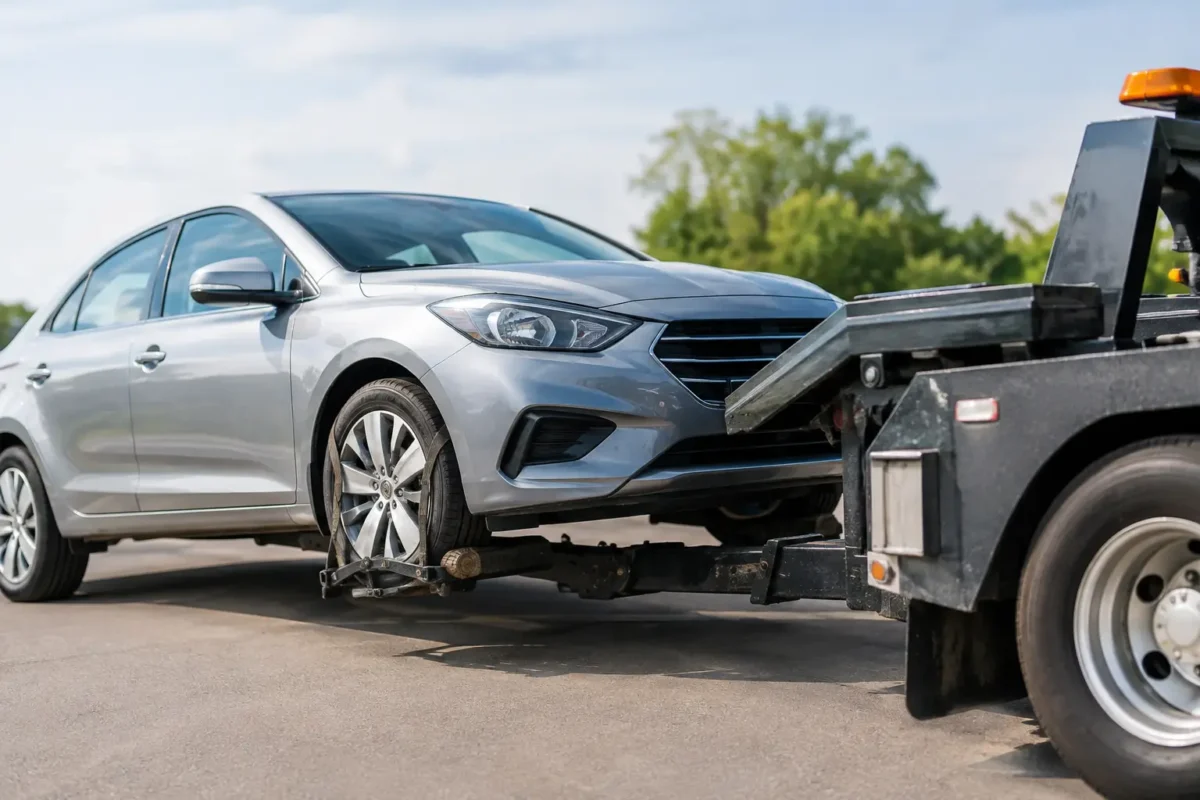
Renting or using a car trailer can work when you are already moving with a capable truck and understand towing safety. A full trailer keeps all four tires off the road, while a tow dolly generally lifts the front wheels of a front-wheel-drive vehicle. The correct choice depends on the vehicle’s drivetrain, weight, ground clearance, and manufacturer guidance.
This method gives you control over the schedule, but it is not automatically inexpensive or easy. You need a properly rated tow vehicle, secure tie-down points, trailer brake knowledge, sufficient insurance, and confidence handling a longer, heavier rig. Fuel consumption can rise sharply, and backing into a hotel lot or navigating dense city streets is very different from normal driving.
Before choosing a trailer, verify towing capacity and gross combined weight limits. A mismatch can create safety issues and may damage both the towing vehicle and the car being moved.
Use open-carrier transport for the practical long-distance choice
Open auto transport is the option most people picture: a multi-car carrier picks up the vehicle and delivers it near the destination. It is widely available, generally the most economical professional method, and appropriate for standard passenger cars, SUVs, trucks, dealership inventory, and many fleet moves.
The vehicle is exposed to normal outdoor conditions during transit, just as it would be while parked or driven on public roads. That exposure is the main trade-off for the lower cost. Pickup and delivery timing also depends on carrier routes, driver hours, traffic, weather, and the number of vehicles being loaded along the way.
For many moves, door-to-door service reduces the hassle considerably. The carrier meets you as close to the pickup and delivery addresses as safely and legally possible. On narrow streets, low-clearance neighborhoods, or areas with parking restrictions, the driver may arrange a nearby open lot or accessible meeting point instead.
Choose enclosed transport when protection matters more than price
Enclosed transport shields a vehicle from weather, road debris, and public exposure. It is often the right choice for luxury vehicles, classic cars, exotics, newly restored vehicles, and low-clearance cars. Some enclosed carriers also use lift gates or specialized loading equipment that can provide added protection for vehicles that sit low to the ground.
This service costs more because enclosed trailer space is limited and specialized equipment is involved. Availability can also be tighter on certain routes. Still, for an irreplaceable vehicle or a car with a high-value finish, the additional expense may be reasonable compared with the potential cost and inconvenience of damage.
Moving Cars to Hawaii, Puerto Rico, Alaska, and Beyond
Offshore shipping requires a different process from standard interstate transport. Your vehicle may first travel by truck to a port, then by ocean vessel, with pickup or delivery arranged at the other end. Port-to-port shipping is common for destinations such as Puerto Rico, Hawaii, Alaska, the Caribbean, and Central America.
Timing is influenced by vessel schedules, port processing, weather, customs requirements for international destinations, and the availability of ground transportation before or after the ocean segment. Plan early, especially during peak moving seasons. The vehicle will usually need to be operable, have a limited amount of fuel in the tank, and be free of personal belongings unless the shipping arrangement specifically permits them.
For international shipments, paperwork deserves careful attention. Ownership documents, identification, lender authorization for financed vehicles, and destination-specific customs documents may all be required. A missed document can delay a shipment even when the vehicle is ready to travel.
Compare Cost by Looking Beyond the Quote
A low quote is not always the lowest total cost. Ask what the price includes, whether the rate is tied to realistic pickup timing, and how changes are handled if the vehicle is oversized, inoperable, modified, or located in a difficult-to-access area. Be honest about the vehicle condition from the start, since an inoperable car or a lifted truck may require different equipment and pricing.
Distance matters, but it is not the only pricing factor. The route, season, fuel costs, carrier demand, vehicle size, and pickup flexibility all affect the rate. Major metro-to-metro routes often have more carrier availability than remote locations. A customer who can offer a wider pickup window may have more options than someone who needs an exact date.
Be cautious with a price that seems dramatically below every other estimate. It may not reflect current carrier market conditions, or it may leave little room to secure a qualified driver. Clear communication about the booking process, deposit structure, cancellation policy, and expected payment timing is more valuable than a number that cannot be honored.
Prepare Your Vehicle for Transport
Good preparation protects both you and the carrier. Wash the exterior so existing marks are easy to see, then take date-stamped photos from several angles. At pickup, review the vehicle’s condition with the driver and make sure any existing damage is recorded on the inspection report or bill of lading.
Remove personal property, toll tags, loose accessories, and custom items that could shift or be damaged. Disable or provide instructions for alarms, fold in mirrors when appropriate, and make sure the battery is charged enough for loading. Keep the fuel level low, typically around one-quarter tank, unless you are given different instructions for your shipment.
Let the transport coordinator know about leaks, mechanical concerns, oversized tires, roof racks, very low ground clearance, or modified suspension. These details are not minor. They help match the vehicle with suitable equipment and prevent unpleasant surprises when the carrier arrives.
Work With a Coordinator Who Explains the Process
A dependable transportation coordinator does more than provide a quote. They help match the shipment to qualified carriers, confirm the vehicle and route details, coordinate scheduling, and stay available when pickup or delivery conditions change. You should know who to contact, what the expected pickup window is, and what happens at both inspections.
Ask whether the assigned carrier carries the required insurance and how claims are handled if a problem occurs. Confirm whether the service is open or enclosed, whether the vehicle will be picked up door to door where accessible, and whether the company is arranging transportation as a broker or operating the truck directly. Clear answers are a sign of a company that understands the operational side of vehicle shipping.
Garcia’s Auto Transport and Logistics coordinates shipments with qualified drivers while keeping customers informed from reservation through delivery. That kind of hands-on communication matters when a route changes, a neighborhood cannot accommodate a large carrier, or a customer needs to plan around a new job, closing date, or military move.
The right choice is the one that protects your vehicle, fits your schedule, and gives you realistic expectations before pickup day. A little planning now can turn a stressful long-distance move into one less thing you have to drive across the country yourself.
