


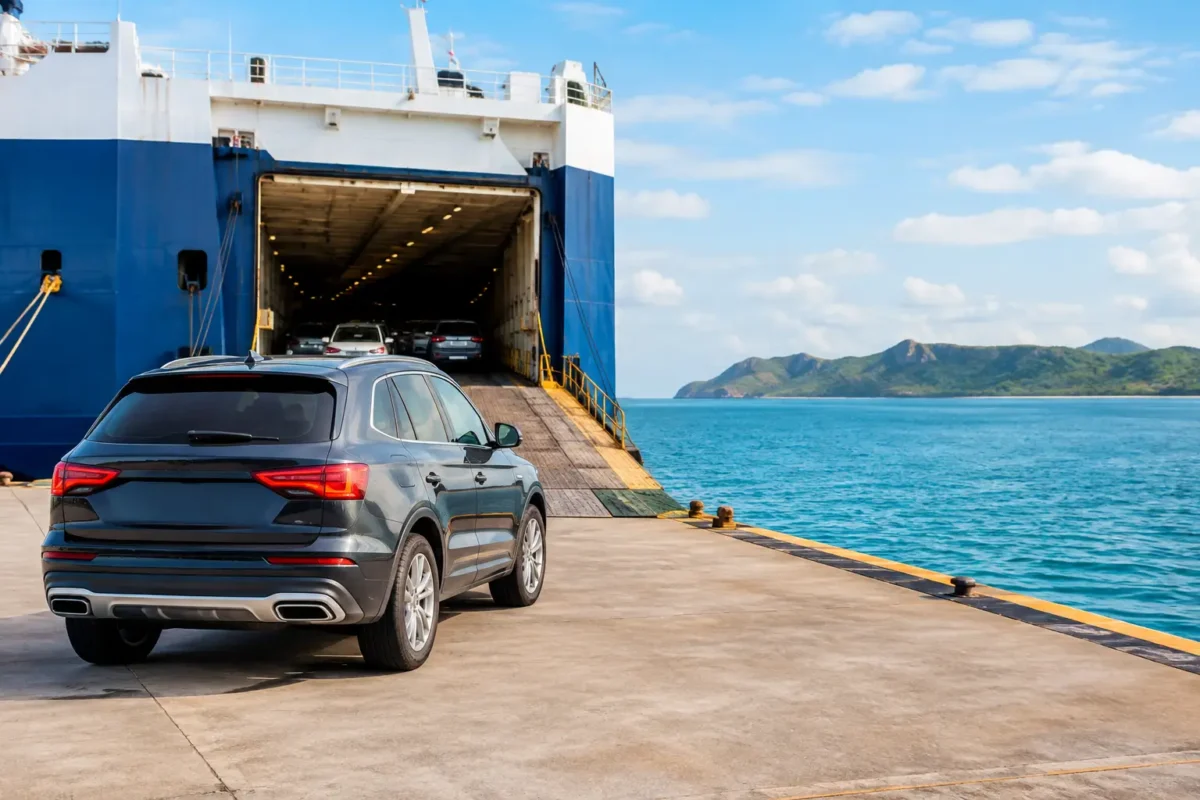
A mainland move can be planned around a driveway, a highway, and a delivery window. An island move adds a port schedule, vessel cutoff dates, inspection requirements, and sometimes customs clearance. That is why shipping vehicles to islands works best when the vehicle, paperwork, pickup plan, and receiving plan are coordinated well before moving day.
Whether you are relocating to Puerto Rico, sending a car to Hawaii, returning to Alaska, or transporting a specialty vehicle to the Caribbean, the goal is the same: get the vehicle from your starting point to its destination safely, with clear expectations at every handoff.
Shipping Vehicles to Islands Starts With the Route
Island shipping is not one single service. The right transportation plan depends on the origin, destination, type of vehicle, and access at both ends of the trip. A sedan moving from Florida to Puerto Rico may travel by truck to a port and then by ocean vessel. A vehicle headed to Hawaii may be picked up at a home in the Midwest, transported to a West Coast port, and loaded for the ocean crossing.
Alaska routes can be different again. Depending on the starting city and final destination, a shipment may include highway transport, ocean service, or both. Caribbean and Central American shipments may also involve international documentation and destination-country import rules.
This is why an accurate quote requires more than a ZIP code. The transport coordinator needs to know whether the vehicle runs, its approximate dimensions, whether it has modifications, the preferred pickup date, and where the vehicle can be released and received. A golf cart, lifted truck, luxury vehicle, bus, or piece of heavy equipment may need a different carrier or port arrangement than a standard passenger car.
Door-to-Door Service Has a Port Step in the Middle
Customers often hear “door-to-door” and expect the same experience as a mainland car shipment. In many cases, door-to-door transportation is available for the ground portion of the route, but the ocean portion still has specific terminal procedures.
A carrier may pick up your vehicle at a residence, workplace, dealership, or another accessible location and deliver it to the assigned port. At the destination, the vehicle may be released at a port terminal for pickup, or it may continue with a local carrier to an address on the island. Availability depends on the destination, local road access, carrier schedules, and the service selected.
Large car carriers cannot always navigate narrow streets, gated communities, low branches, or crowded residential areas. When that happens, the driver may arrange a nearby meeting point that is safe for loading or delivery. This is normal logistics planning, not a last-minute inconvenience, when it is discussed upfront.
Port-to-Port Versus Coordinated Final Delivery
Port-to-port shipping can be a practical choice if you live near the destination terminal, have flexibility to collect the vehicle, and understand the port’s release requirements. It can also reduce the number of transfers.
Coordinated final delivery is often better for customers managing a relocation, military move, or busy work schedule. It reduces the need to arrange separate local transportation after the vehicle arrives. The trade-off is that final delivery depends on local carrier availability and may add time after vessel discharge.
Timing Is Driven by Vessel Schedules, Not Just Miles
For a standard interstate vehicle shipment, travel time is largely based on route distance, traffic, weather, and carrier scheduling. Island transport has another fixed point: the vessel sailing date. Missing a port cutoff can move a shipment to the next available sailing, even if the vehicle is already close to the terminal.
It is smart to begin planning several weeks before the date you need the vehicle. Peak moving periods, holidays, military relocation seasons, and weather events can affect both truck capacity and ocean schedules. Customers with a hard deadline should communicate it early, but should also avoid booking flights, hotel stays, or job-reporting plans around an assumed arrival date until the transport timeline is confirmed.
A realistic delivery window is more useful than an overly precise promise. Good coordination means communicating what is confirmed, what is estimated, and what could change. Garcia’s Auto Transport and Logistics helps customers match the ground carrier and island route to their shipment needs while providing updates from pickup through delivery.
The Paperwork Matters as Much as the Vehicle
Most island shipments require proof that you have the legal right to ship the vehicle. Requirements vary by route, but customers should expect to provide a government-issued photo ID, vehicle registration, and title information when requested. If the vehicle is financed or leased, the lender or leasing company may need to provide authorization before it can be shipped.
For international destinations, documentation can become more involved. Customs forms, import permits, notarized paperwork, destination taxes, and clearance rules may apply. A vehicle that is accepted for shipment from the United States is not automatically cleared for release in every destination country.
Do not wait until pickup day to check the details. Confirm the exact documents required for your route, make sure the name on the paperwork matches the shipper or authorized representative, and keep copies available. If someone else will drop off or collect the vehicle, that person may need written authorization and identification.
Preparing the Vehicle for Ocean Transport
Your vehicle should be clean enough for an accurate condition inspection, inside and out. Before pickup, take dated photos from multiple angles, including close-ups of existing scratches, dents, wheel damage, and windshield chips. The pickup inspection report should reflect the vehicle’s pre-shipment condition, and the delivery inspection gives you an opportunity to compare its condition at the end of the route.
Remove personal items unless your transport coordinator specifically confirms that they are permitted. Ocean carriers and port facilities commonly restrict household goods, valuables, hazardous materials, loose accessories, and excessive cargo inside the vehicle. Personal belongings can create safety, liability, customs, and weight issues.
Keep the fuel level low, generally around one-quarter tank unless the carrier provides different instructions. Remove or secure toll tags, detachable spoilers, roof racks, bike racks, and other accessories that could be damaged or interfere with loading. Make sure the vehicle is operable, the battery is charged, the tires are properly inflated, and there are no fluid leaks.
For inoperable vehicles, modified vehicles, and oversized equipment, say so during the quote process. These shipments can still be arranged, but the loading method, carrier equipment, and pricing may be different.
Open Transport, Enclosed Transport, and Ocean Options
Open-carrier transport is a common and cost-effective choice for standard vehicles traveling to and from ports. It is widely available and works well for most personal cars, trucks, and SUVs. Because the vehicle is exposed to normal road conditions while on the truck, customers with high-value, classic, exotic, or especially low-clearance vehicles may prefer enclosed ground transport.
The ocean leg may use roll-on/roll-off service, container shipping, or another vessel arrangement based on the route and equipment. Each method has practical differences in availability, price, vehicle eligibility, and handling. The best option is not always the lowest price. For example, a standard running sedan may be well suited to a common ocean service, while a non-running classic car may require a more specialized plan.
Insurance is another reason to ask detailed questions before booking. Qualified drivers should carry appropriate coverage, and customers should understand the inspection process and what documentation is needed if damage is discovered. Report concerns before leaving the delivery location whenever possible.
What Can Delay an Island Vehicle Shipment?
Some delays are preventable. Missing documents, an unpaid port balance, a vehicle that does not match the booking details, or an unavailable customer can all hold up release. Others are outside anyone’s control, including severe weather, port congestion, vessel schedule changes, labor disruptions, and customs inspections.
Clear communication reduces avoidable delays. Provide a working phone number, respond promptly to scheduling calls or texts, and name a backup contact if you will be traveling. If your pickup date, destination address, vehicle condition, or ownership status changes, notify the coordinator immediately. Small details can affect a carrier assignment or a port reservation.
A Better Way to Plan Your Island Move
Start with your desired arrival period, then work backward from the port and vessel schedule rather than assuming the vehicle can leave on the same day you do. Have your documents reviewed early, prepare the vehicle before the carrier arrives, and confirm exactly who will be present at pickup and delivery.
Island shipping has more moving parts than a standard state-to-state shipment, but it does not have to feel uncertain. With a realistic timeline, the right transport equipment, and responsive coordination, your vehicle can arrive ready for the next part of your move – not become another problem waiting at the port.
