


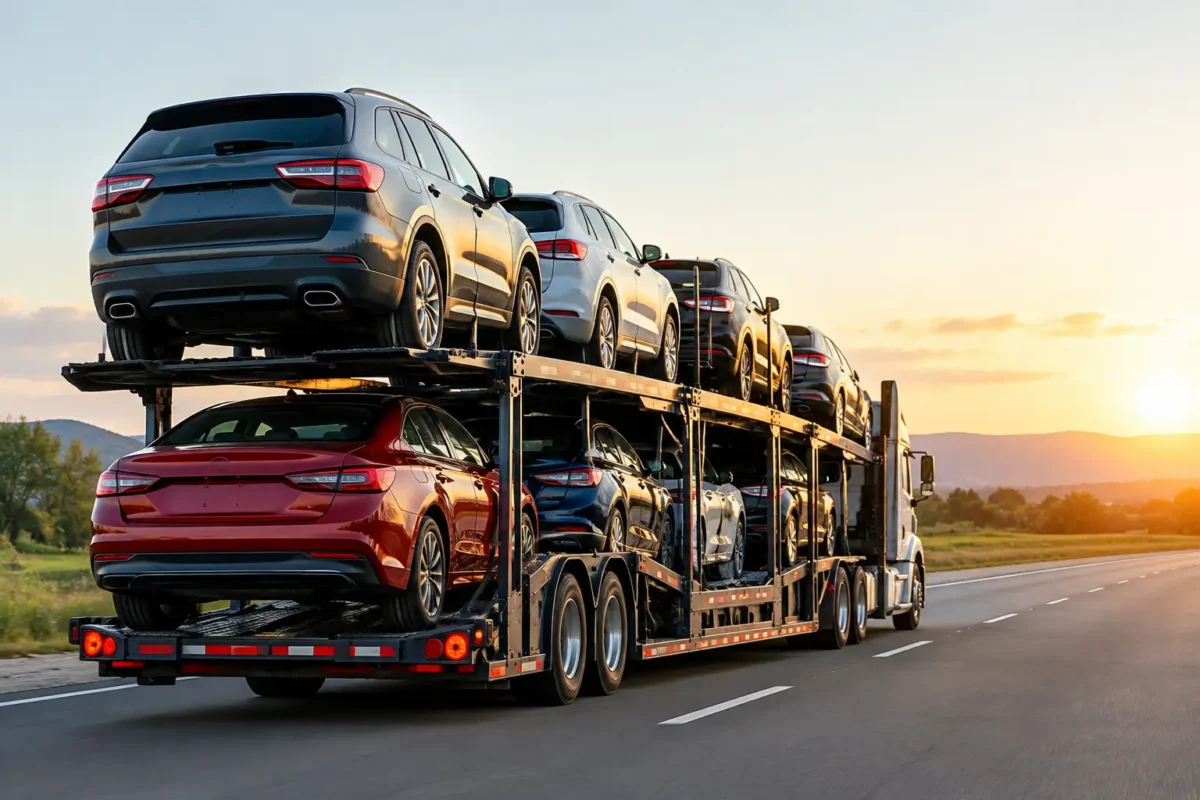
A cross-country move can turn one ordinary question into a major logistics decision: what happens to the car? The best options for relocating vehicles depend on more than distance. Your schedule, budget, vehicle type, pickup and delivery locations, and tolerance for added mileage all matter. A reliable choice is the one that protects your vehicle while giving you a realistic plan for getting it where it needs to go.
For some owners, driving is reasonable. For others, professional transport is the practical answer, especially when a job relocation, military move, vehicle purchase, seasonal travel, or family transition already demands enough attention. Understanding the trade-offs before you book can prevent expensive surprises and make the process much less stressful.
Best Options for Relocating Vehicles: A Practical Look
There is no single shipping method that works for every customer. A standard sedan moving between major cities has different needs than a classic car, a golf cart, a lifted truck, or a dealership’s inventory. Start with the options below, then match the method to the shipment.
Drive the vehicle yourself
Driving your own car is often the first option people consider. It gives you full control over departure times, stops, and the route. If the move is relatively short and you have the time, it may be the simplest solution.
The real cost, however, goes beyond fuel. Long-distance driving adds mileage, tire wear, maintenance needs, lodging, meals, tolls, and the risk of road damage or a breakdown far from home. It also takes time away from work, packing, family, or settling into a new location. A 1,500-mile relocation can easily become several days on the road.
Driving makes the most sense when the vehicle is dependable, the route is manageable, and the trip itself serves a purpose. It may not be the best fit for a vehicle with low mileage, a collector vehicle, or a customer who needs to fly to a new job on a fixed date.
Tow it behind a moving truck or another vehicle
A tow dolly or car trailer can combine a household move and vehicle relocation into one trip. This approach can work for experienced drivers who are already renting a moving truck and can safely handle the additional length, weight, braking distance, and turns.
It is not as simple as attaching a vehicle and heading out. The towing vehicle must be rated for the load, the equipment has to be properly secured, and the car’s drivetrain must be compatible with the chosen method. Improper towing can damage a transmission, tires, suspension components, or body panels. Drivers also need to account for restricted routes, fuel stops, parking limitations, and weather.
For a short move with the right equipment, towing can be cost-effective. For a long interstate route or an unfamiliar driver, the added responsibility may outweigh the savings.
Use open-carrier auto transport
Open-carrier shipping is the most common professional choice for standard passenger vehicles. Your vehicle travels on an open multi-car trailer, often alongside other cars headed in the same general direction. This shared capacity helps keep pricing competitive while providing door-to-door service in most accessible locations.
Open transport is a strong option for daily drivers, SUVs, trucks, fleet vehicles, online vehicle purchases, and dealership inventory. It removes the burden of a road trip and avoids the extra mileage that comes with driving across the country. Qualified carriers conduct pickup and delivery inspections, and reputable coordinators keep customers informed as scheduling develops.
Because the trailer is open to the elements, the vehicle may collect road dust or encounter normal weather exposure during transit. That is usually an acceptable trade-off for customers focused on affordability and dependable interstate transportation. Before pickup, remove personal items, document the vehicle’s condition, and make sure it has adequate fuel for loading and unloading, not a full tank.
Choose enclosed transport for high-value vehicles
Enclosed auto transport provides an additional layer of protection from rain, sun, road debris, and public visibility. It is commonly selected for luxury vehicles, exotics, classics, restored cars, collector vehicles, and cars with very low ground clearance.
This service generally costs more than open transport because enclosed trailers carry fewer vehicles and offer specialized protection. For the right vehicle, that added cost can be easier to justify than the risk of exposing a high-value finish or specialty equipment to a long highway trip.
Ask about the carrier’s experience with your vehicle type, particularly if it is lowered, oversized, inoperable, or fitted with custom components. A qualified carrier may need lift-gate equipment, extended ramps, or other loading accommodations. Clear details at booking help the logistics team select the right truck rather than trying to solve a preventable issue on pickup day.
Arrange professional transport for motorcycles, golf carts, and equipment
Not every relocation involves a standard car. Golf carts, motorcycles, cargo vans, buses, and heavy equipment require transportation planning that accounts for dimensions, weight, operability, and loading needs. These shipments often require specialized trailers or carrier equipment.
The best approach is to provide accurate information from the start. Include the year, make, model, running condition, modifications, approximate dimensions, and whether the pickup or delivery site can accommodate a large truck. Photos can also help identify potential clearance or access concerns.
For commercial customers, coordinating multiple vehicles at once can reduce disruption to operations. A logistics coordinator can help organize timing, carrier capacity, inspections, and destination delivery windows for fleet moves, dealership transfers, or institutional equipment relocations.
Relocating a Vehicle to Hawaii, Alaska, Puerto Rico, or Overseas
Moves beyond the continental United States require a different plan. Vehicle transport to Hawaii, Alaska, Puerto Rico, the Caribbean, and Central America often includes both inland trucking and port-to-port ocean shipping. The vehicle must reach the designated port, meet the shipping line’s requirements, and be delivered or made available at the destination according to the selected service.
Documentation matters more on these routes. Customers may need identification, proof of ownership, lienholder authorization when applicable, and destination-specific paperwork. Personal belongings are commonly restricted in ocean shipments, so do not assume the vehicle can double as a moving container.
Timing can also be less flexible than a domestic route. Sailing schedules, port processing, weather, and local delivery availability all affect the final timeline. Booking early and working with a coordinator that communicates clearly can make a major difference, especially when a move date is tied to military orders, a lease, or a new position.
How to Choose the Right Vehicle Relocation Method
Start with your priorities. If cost is the main concern and your vehicle is a standard daily driver, open transport is often the most balanced option. If preserving a luxury or collector vehicle is the priority, enclosed shipping is usually worth considering. If you are already completing a short move with a properly equipped truck, towing may be workable.
Then consider timing. Auto transport pickup and delivery windows are influenced by route demand, carrier availability, weather, and access at both ends. Rural locations, remote mountain areas, and narrow residential streets can require a meeting point near a wider road, shopping center, or truck-friendly lot. That is not a failure of door-to-door service. It is often the safest way to prevent damage or access problems.
Price should be clear, but it should not be the only deciding factor. Extremely low quotes can result in delays if the rate does not attract a qualified carrier. Ask what service is included, how vehicle condition is documented, whether the driver is insured and bonded, how communication is handled, and what happens if dates need to change. Free reservations and no cancellation fees can also provide useful flexibility while plans are still moving.
Prepare Your Vehicle for Pickup
A few simple steps help keep pickup smooth. Wash the exterior enough to make the pre-shipment inspection accurate. Take dated photos of all sides, wheels, glass, and any existing damage. Remove toll tags, loose accessories, and personal belongings. Disable alarms if possible, and provide a working key.
Check for fluid leaks and let the transport coordinator know if the vehicle does not run, steer, or brake normally. An inoperable vehicle can still be shipped in many cases, but the carrier must arrive with the right equipment. Surprises at pickup can cause delays that are easy to avoid with an honest condition report.
Garcia’s Auto Transport and Logistics helps customers coordinate carrier selection, scheduling, inspections, pickup, transit, and delivery for moves across all 50 states and beyond. The goal is straightforward: match the shipment to a qualified driver and keep you informed from the first reservation through final delivery.
The right vehicle relocation plan should leave you free to focus on the move itself, not on miles, motel stops, or whether your car will make it across the next state line. Choose the service that fits the vehicle and route, confirm the details early, and give yourself room for real-world scheduling conditions. That preparation turns a complicated move into a manageable handoff.
