


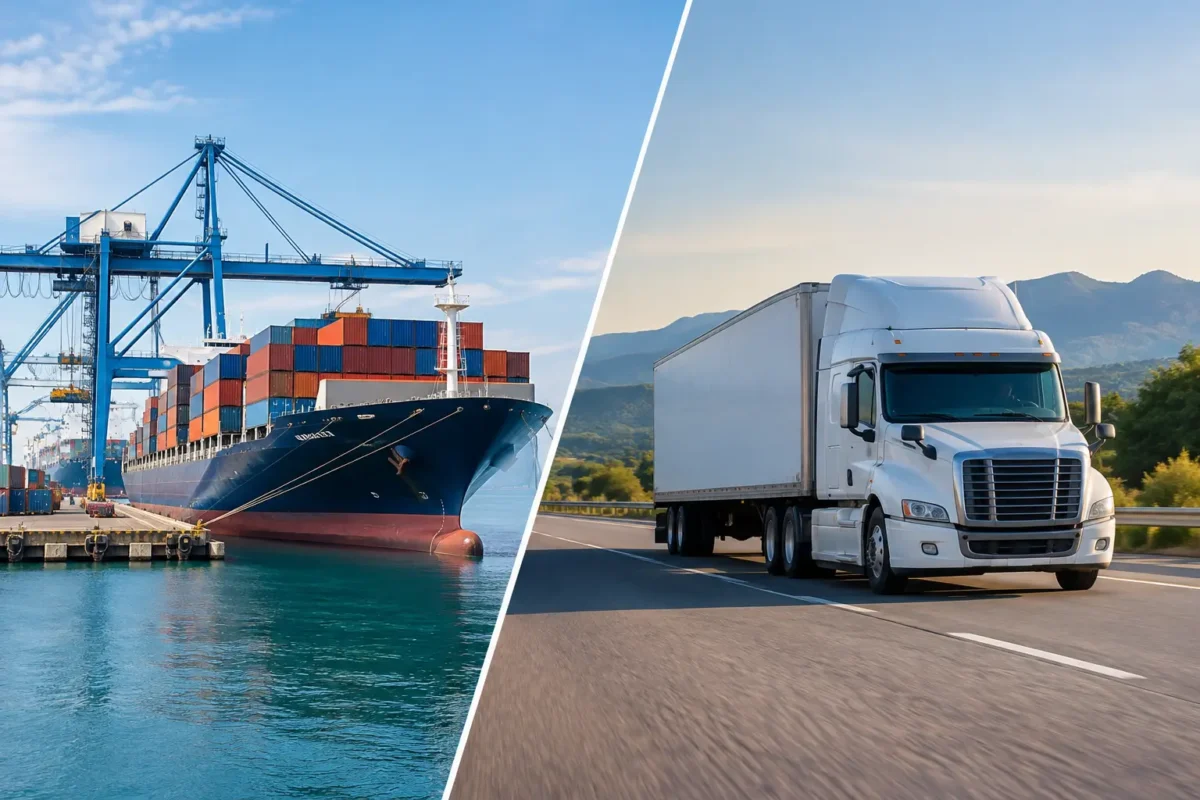
A vehicle headed from Florida to Puerto Rico cannot follow the same transportation plan as a sedan moving from Texas to Georgia. That is where port shipping versus mainland delivery becomes a practical decision, not just a shipping term. One route involves ocean freight, port schedules, and destination paperwork. The other usually relies on a truck carrier that can collect and deliver the vehicle near the addresses you provide.
Choosing the right service starts with understanding what each option actually covers. The lowest-looking quote is not always the most convenient choice, especially if it leaves you responsible for a long drive to a port, a terminal, or a final delivery point.
What port shipping means for your vehicle
Port shipping is used when a vehicle must travel by water between the mainland and an offshore or international destination. Common routes include Puerto Rico, Hawaii, Alaska, the Caribbean, and Central America. Depending on the origin and destination, the vehicle may move by truck to a departure port, by vessel across the water, and then by truck or customer pickup after it arrives.
Most customers think of port shipping as a single service, but it often has separate transportation stages. You may book port-to-port service, which means you deliver the vehicle to the departure port and retrieve it from the destination port. Or you may arrange inland transport on one or both sides, allowing a carrier to bring the vehicle to the port and, when available, transport it from the arrival port to a final address.
The vessel portion of the shipment follows a port schedule. That schedule can be affected by sailing availability, port congestion, weather, inspections, holidays, and required documentation. A vehicle can arrive at the port before the vessel departs, so it is wise to build flexibility into travel plans rather than scheduling a flight around one expected arrival day.
Port-to-port is not always door-to-door
Port-to-port service can be a good fit for customers who live close to a shipping port, have flexible schedules, and want to handle the local drop-off and pickup themselves. It can also work well for dealerships or commercial shippers moving several vehicles through an established port process.
It is less convenient for a family relocating from an inland location. If the departure port is several hours away, you need to account for fuel, time off work, hotel costs, and the logistics of getting home after dropping off the vehicle. The same question applies at destination: who will collect the vehicle, and can they get to the port during its release hours?
How mainland delivery typically works
Mainland delivery usually refers to vehicle transportation within the continental United States, although carriers may also arrange ground movement within Alaska or from a port to an address where service is available. For standard interstate moves, a carrier picks up the vehicle near your origin and delivers it near your destination.
This is commonly called door-to-door auto transport. “Door-to-door” means the driver works to meet as close to the residential or business address as safely and legally possible. Large car carriers cannot always enter narrow streets, neighborhoods with low branches, apartment parking areas, or roads with weight restrictions. In those cases, the driver may arrange a nearby meeting point such as a wide shopping center lot or truck-friendly street.
Mainland delivery generally gives customers more control over the pickup and final handoff. You do not need to take the vehicle to a port, and you can often coordinate directly with the carrier on the pickup window and delivery timing. For relocations, online car purchases, snowbird moves, and dealership transfers, that convenience can outweigh a slightly higher price.
Port shipping versus mainland delivery: the key differences
The primary difference is the mode of transportation. Port shipping includes an ocean leg and requires the vehicle to enter and exit through designated port facilities. Mainland delivery is normally truck-based and follows road routes from pickup to delivery.
That difference changes the customer experience in several ways.
Scheduling: Mainland carriers typically provide pickup and delivery windows based on route availability, traffic, and driver hours. Port shipments must also align with vessel cutoffs, sailing dates, cargo release rules, and port operating hours. Ocean transit may be predictable on established lanes, but it is not the same as a direct truck route.
Pickup and delivery location: A mainland shipment can usually be coordinated near your home, office, dealership, or storage location. Port service may require you to bring the vehicle to a designated terminal unless inland pickup is included in your booking.
Documentation: A domestic mainland shipment usually requires basic booking details, contact information, and vehicle condition documentation. Port and international shipments may require additional ownership documents, identification, lienholder authorization, customs forms, or destination-specific paperwork. Requirements vary by route, so confirm them well before the vehicle needs to be delivered to the port.
Pricing: A port quote may cover only the ocean portion, while a mainland quote typically covers a truck route between the agreed pickup and delivery areas. When comparing prices, ask what is included: origin delivery to port, destination pickup, port fees, storage risk, documentation support, and final-mile transport. Two quotes can look similar while covering very different services.
Vehicle availability: With mainland delivery, you may receive the vehicle shortly after the carrier reaches the destination area and completes the inspection. With port shipping, the vehicle must be discharged, processed, and released before pickup or onward delivery. Planning a few extra days of flexibility can prevent unnecessary stress.
Which option is right for your move?
If your vehicle is staying within the mainland United States, truck transport is generally the direct choice. Open carriers are the most common and economical option for everyday cars, SUVs, trucks, and dealership inventory. Enclosed transport may make more sense for luxury, collector, exotic, or high-value vehicles that need added protection from road debris and weather.
If your destination is Puerto Rico, Hawaii, the Caribbean, Central America, or another location that requires water transit, port shipping is necessary for at least part of the journey. The real choice is often between port-to-port service and a coordinated combination of inland trucking plus ocean freight.
For example, a customer in Orlando shipping a vehicle to San Juan may be comfortable dropping it at a Florida port and collecting it in Puerto Rico. A customer in rural Georgia headed to the same destination may prefer to have the vehicle picked up near home and transported to the departure port. The second arrangement may cost more, but it removes a full day of driving and the need to coordinate a separate ride home.
Commercial customers should also consider volume and handling. A dealership moving several vehicles may benefit from consolidated scheduling and port procedures. A school district shipping a bus, or a contractor moving heavy equipment, needs carrier selection based on dimensions, loading requirements, route access, and the destination port’s capabilities.
Questions to ask before you book
A clear transport plan comes from asking the right questions before a driver or vessel is assigned. Ask whether the quote is port-to-port, door-to-port, port-to-door, or door-to-door. Confirm the earliest vehicle acceptance date, the estimated sailing or pickup window, and what happens if the vehicle reaches the port before its vessel departure.
You should also ask what documents must be submitted, whether personal items are permitted in the vehicle, and who is authorized to release or receive it. If a lender holds the title, obtain any required authorization early. Last-minute paperwork issues can delay a port shipment even when the vehicle is ready to move.
Before pickup, remove valuables, check the fuel level requested by the carrier, photograph the vehicle, and make note of existing cosmetic damage. The pickup inspection and final delivery inspection are your records of the vehicle’s condition during transport. Keep a copy of all shipment details, including port instructions and the contact information for the person receiving the vehicle.
Garcia’s Auto Transport and Logistics helps customers coordinate these moving parts, from matching the shipment with qualified carriers to communicating pickup, inspection, transit, and delivery expectations. The goal is not simply to move a vehicle, but to make sure every handoff has an identified plan.
A good shipping decision should fit your route, schedule, budget, and ability to handle local pickup or delivery. Before you reserve, map out who has the keys, where the vehicle will be handed over, and how it will get from the final terminal or carrier stop to where you need it. That small amount of planning often makes the entire transport experience feel far more manageable.
